
The Complete Puppy Training Guide
Crate, potty, schedule, socialization. Here is the order that actually works, from a trainer who does this in living rooms every week.
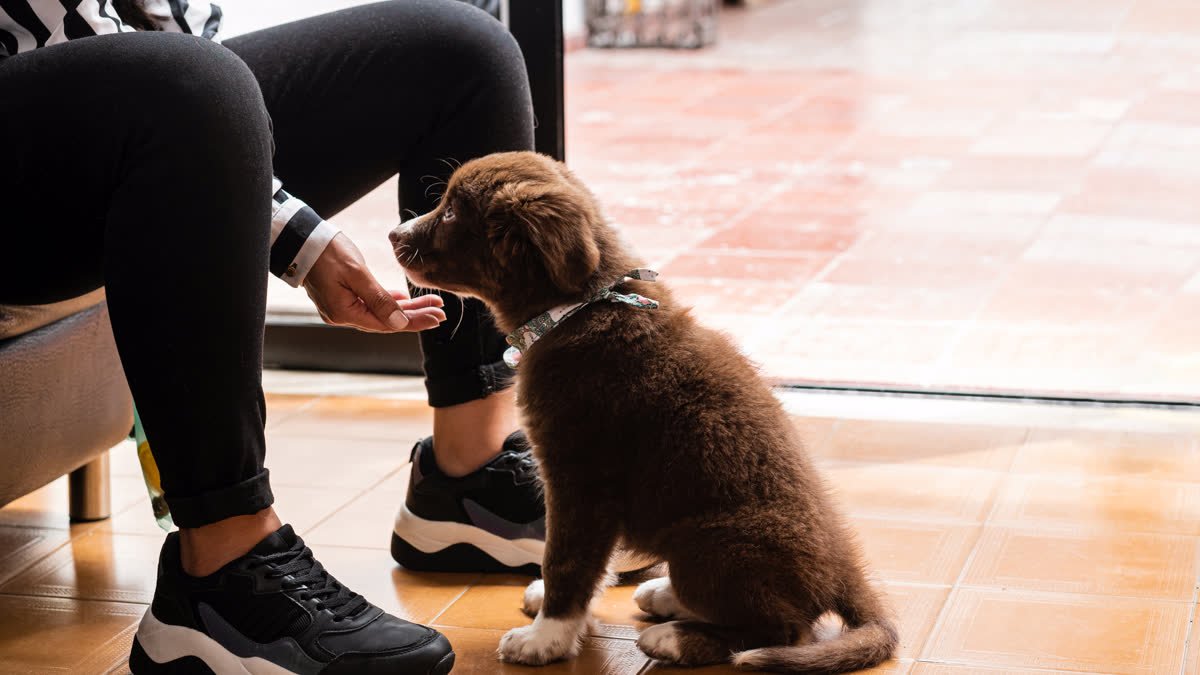
Good puppy training starts the day your dog comes home and follows a simple order. Lock in a feeding and potty rhythm first, make the crate a calm place second, then layer in short reward-based cue sessions. Manage the environment so the right choice is the easy one, reward what you want, and keep sessions short. Consistency from every human in the house beats any single technique.
Where puppy training actually starts
Most owners think training begins with sit and shake. It does not. Training begins with a routine, because a puppy on a predictable rhythm makes fewer mistakes for you to correct. Start with the framework below and build outward from there.
The dog you brought home is not the dog in the breed book. Energy, nerve, and bite drive vary wildly inside a single litter. Watch your puppy for a few days before you decide what kind of dog you are working with. That read shapes every choice you make next.
Your first job is calm, not obedience. A puppy who can settle in a crate, hold its bladder a little longer each week, and eat on a schedule is a puppy that is easy to teach. Skip that groundwork and you spend months fighting symptoms instead of building habits. The foundation pays you back every day after.
Reward-based training is the mainstream standard for a reason. The American Veterinary Medical Association backs reward-based methods because they build a willing dog without the fear that harsh tools can create. You are not bribing your puppy. You are showing it which choice pays.
Routine before obedience. A puppy on a predictable eating, sleeping, and potty rhythm makes fewer mistakes, which means less to correct and faster real progress.
The order that works: crate, potty, schedule
Sequence matters more than people expect. Tackle crate comfort, potty rhythm, and the daily schedule together in the first two weeks, because each one props up the others. A crate-comfortable puppy sleeps through the night, which makes potty timing predictable, which makes the whole schedule hold.
Crate training comes first
The crate is not a cage. It is a den, a safe spot your puppy chooses to rest in once you build the association right. Feed meals in there, toss treats in for free, and never use it as punishment. Our deep dive on crate training a puppy, day and night walks the full ramp from first night to settled.
Some puppies protest loudly at first. That noise usually peaks early and fades as the crate becomes routine. If the crying does not settle, read why a puppy whines in the crate before you change your whole approach. Most cases come down to timing, bladder, or too much space, not a broken plan.
Potty training runs on the clock
House-training is a scheduling problem, not a discipline problem. Take your puppy out after every nap, meal, and play burst, then reward the second it finishes outside. Accidents inside are a sign you missed a window, so tighten the clock instead of scolding. Our potty training schedule lays out the exact intervals by age.
Young puppies have small bladders and short warnings. The rough rule is one hour of hold time per month of age, plus one, so a two-month-old may need a trip every two to three hours. Push past that and you set your puppy up to fail. Watch for circling and sniffing as the cue to move.
The daily schedule ties it together
A puppy thrives on knowing what comes next. Anchor the day with set feeding times, predictable nap blocks, short training reps, and steady potty trips. Our puppy schedule at 8 weeks shows a realistic full-day template you can adapt to your own hours.
| Skill | Start at | Realistic timeline |
|---|---|---|
| Crate comfort | Day 1 home | 1 to 3 weeks to settle |
| Potty rhythm | Day 1 home | Reliable by 4 to 6 months |
| Daily schedule | Week 1 | Steady within 2 weeks |
| Basic cues (sit, recall) | Week 1 to 2 | Months of short daily reps |
Get a puppy plan built around your dog, not a generic one
This guide gets you the order. mypooch builds a crate, potty, and schedule plan for YOUR exact puppy (breed, age, energy, history) and adjusts it daily as your dog changes. The five-minute Drill of the Day keeps you consistent without a wall of homework.
Cues, socialization, and fixing the rough spots
Once the routine holds, you can layer in real obedience. Keep sessions to about five minutes and end on a win. Short and frequent beats long and frustrating, because a puppy’s focus burns out fast. Three small sessions a day teach more than one long slog.
Socialization runs on a clock too. The prime window for new sights, sounds, and surfaces closes around sixteen weeks, so use it. The American Kennel Club recommends calm, positive exposure to a wide range of people, places, and footing during this period. Quality matters more than count, so keep every encounter low-pressure and good.
Plenty of owners hit a real conflict here. Your vet warns about parvo before the shot series is done, but the socialization window will not wait. The fix is exposure without the risk: carry your puppy, invite vaccinated calm dogs to your yard, and skip dog parks and unknown ground until your vet clears them. You get the early experiences without parking your puppy on contaminated turf.
Pick easy wins for new owners
Some puppies make a first-timer’s life easier. If you are still choosing or just want realistic expectations, our take on the easiest puppies to train frames it around temperament and your lifestyle, not status breeds. The right match lowers the difficulty of everything that follows.
Handle the common rough spots
Excitement piddling trips up a lot of new owners and gets mistaken for a potty-training failure. It is usually a confidence and arousal issue, not a bladder one. Read what excited pee really means before you change your house-training plan, because correcting it the wrong way makes it worse.
Biting, mouthing, and the wild evening zoomies are normal puppy behavior, not aggression. The needle-teeth land-shark phase tests every new owner, and it has a clean fix. When those sharp teeth hit skin, give a short high yelp, pull your hand away for a beat, then redirect to a toy and reward calm. Never wrestle with hands, and route anything that feels truly off, like a hard freeze or a real growl over food, to a credentialed trainer or your vet rather than guessing.
Keep building your toolkit as your puppy grows up. Our Dog Training Tips pillar covers leash work, stubborn streaks, and the obedience skills that carry into adulthood. The same reward-based logic you use now scales right up with the dog.
Most puppy problems are management problems. Tighten the schedule, reward the behavior you want, and route anything that reads as genuine fear or aggression to a credentialed pro or your vet.
Common questions
When should I start training my puppy?
The day your puppy comes home, usually around eight weeks. You are not running drills yet. You are setting a feeding and potty rhythm, introducing the crate as a good place, and rewarding calm. Formal cue work and short five-minute sessions fit in once the routine is steady, often within the first week.
How long does it take to train a puppy?
Basic house habits like crate comfort and a potty rhythm usually click in two to four weeks of consistent work. Reliable cues such as sit, recall, and loose-leash walking take months of short daily reps, and many dogs are not fully house-trained until five or six months. Progress is not a straight line, so judge the trend over weeks, not single days.
What is the hardest part of puppy training?
Consistency from the humans, not the puppy learning. Dogs learn fast when every person in the house responds the same way to the same behavior. Mixed signals, like one person allowing jumping and another scolding it, stall progress more than any breed trait. Pick your rules, write them down, and make sure everyone follows them.
Should I use treats or punishment to train a puppy?
Reward the behavior you want and manage the environment so the wrong choice is hard to make. The AVMA backs reward-based methods because they build a confident, willing dog without the fallout that aversive tools can cause. Harsh corrections on a young puppy often create fear and can make problems like biting or hiding worse.
Turn this guide into a daily plan for your puppy
Reading the order is step one. mypooch reads your puppy’s energy and stress, builds the crate, potty, and socialization plan for YOUR exact dog, and adjusts it every day as your puppy grows. Track wins on a vet-shareable timeline so you see the trend, not just one rough night.