
Potty Training a Puppy: A Step-by-Step Schedule
Most accidents are timing problems, not behavior problems. Get the clock right and the rest falls into place.
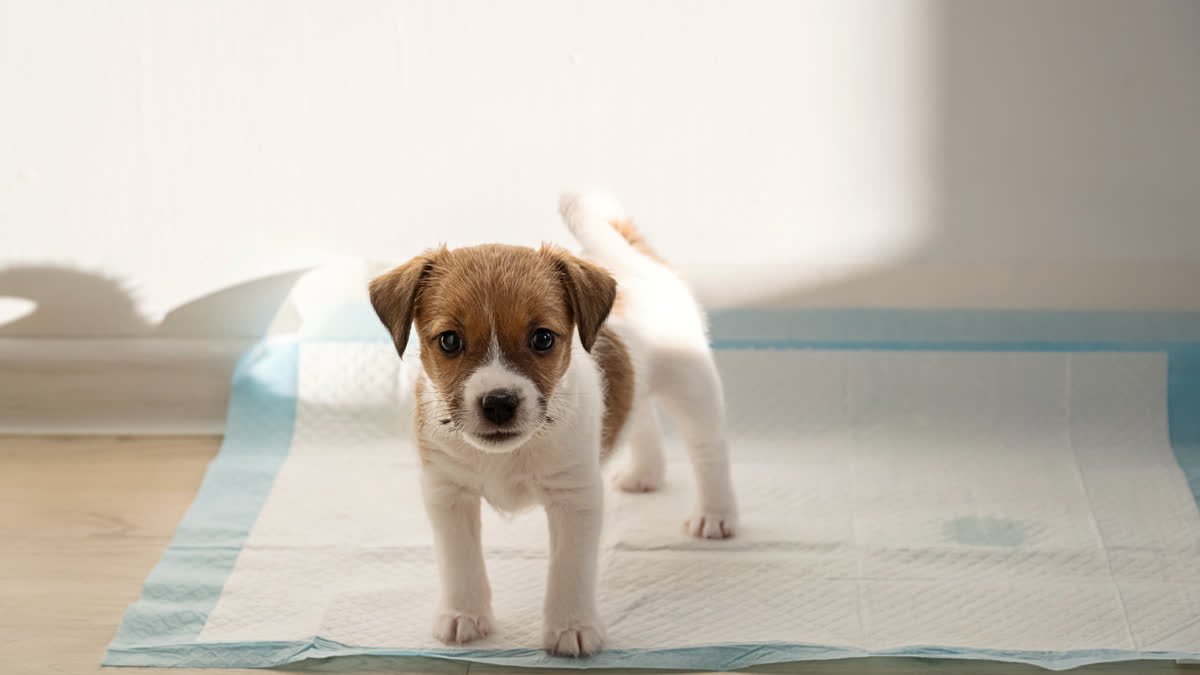
Potty training a puppy is a scheduling job, not a willpower job. Take the puppy out first thing in the morning, after every nap, after every meal and drink, after play, and last thing at night. Reward outside instantly, supervise hard indoors, and use a crate when you cannot watch. Most puppies get reliable in four to six months.
Why the schedule does all the work
A young puppy cannot hold its bladder for long, and it has no idea the carpet is off limits. Your job is to be standing at the right door at the right minute, every single time. Get the timing right and accidents drop fast. For the full picture on raising a new dog, start with the Puppy Training Guide.
Here is the rule that matters. A puppy can usually hold its bladder for roughly its age in months plus one hour, so an eight-week-old maxes out around three hours during quiet time. That number drops hard the second the puppy wakes up, eats, drinks, or starts to play. Treat those four moments as automatic trips outside.
Puppies also build habits around surfaces and locations. Every time the puppy goes in the right spot, that spot gets reinforced. Every accident on the rug teaches the rug is fair game. So you are not really training a bladder, you are stacking clean reps until the right choice becomes the default.
You are not teaching the puppy to “hold it.” You are removing the chances to fail and rewarding the wins so hard that going outside becomes the obvious move.
What you need before day one
Keep it simple. Get a crate sized so the puppy can stand, turn, and lie down but not pee in one corner and sleep in the other. An enzyme cleaner matters too, because a normal cleaner leaves a scent only the puppy can smell. You also need high-value treats kept by the door, ready to fire the instant the puppy finishes outside.
Pick one potty spot in the yard and walk the puppy there on leash, even in your own garden. The leash keeps the trip about business, not a free-for-all sniff tour. Boring is the goal, because a puppy that gets to explore forgets why it came outside.
The hour-by-hour potty schedule
The schedule below is a starting frame for an eight to twelve week old puppy. Slide the times to fit your own day, but keep the triggers the same. Younger puppies need an overnight trip too, so set an alarm for one bathroom break in the middle of the night for the first couple of weeks.
| Time | What happens | Potty trip? |
|---|---|---|
| 7:00 am | Wake up, straight outside | Yes, before anything else |
| 7:30 am | Breakfast and water | Out 10 to 20 min after |
| 9:00 am | Play, then nap in crate | Out before and after |
| 12:00 pm | Lunch and water | Out 10 to 20 min after |
| 3:00 pm | Play and training | Out before and after |
| 5:30 pm | Dinner and water | Out 10 to 20 min after |
| 9:30 pm | Last call, then bed | Yes, empty fully |
| 2:00 am | Overnight break (young pups) | Quiet trip, no play |
How to run each trip
Carry or walk the puppy straight to the potty spot. Stand still and wait, and use one calm cue word like “go potty” so the puppy starts to link the word to the act. The second the puppy finishes, mark it with a happy “yes” and feed a treat right there, outside, within two seconds.
Timing on the reward is everything. Wait until you are back inside and the puppy has no idea what the treat was for. Reward at the spot, every time, for the first few weeks, then taper as the habit sets. The American Kennel Club lays out the same reward-on-the-spot logic in its house-training guide.
Reward outside, on the spot, within two seconds. A treat handed out back in the kitchen teaches nothing except that the kitchen is fun.
Where the crate fits
The crate is your safety net for the moments you cannot watch. Most dogs avoid soiling where they sleep, so a correctly sized crate buys you time and prevents free-roaming accidents. It is a tool, not a place to dump the puppy for hours. A crated puppy still needs to come out on the schedule above. If you are still setting the crate up, the sibling guide on crate training a puppy, day and night walks through the steps.
Get a potty schedule tuned to your puppy
This frame works for most pups. Yours has a specific age, breed, and bladder. mypooch builds a potty schedule for your exact dog, then adjusts the trip times as it grows and you log what happens. Stop guessing at the next bathroom break.
Fixing accidents and common stalls
Accidents happen, and they are feedback, not failure. When you catch the puppy mid-stream, make a soft interrupting noise and carry it outside to finish, then reward if it does. Never punish, never rub the nose in it, and never drag the puppy back to an old mess. Those moves only teach the puppy to hide from you the next time it needs to go.
Clean every accident with an enzyme cleaner, all the way through the carpet pad if you have to. Leftover scent acts like a marker that says “bathroom here,” and the puppy will return to it. A regular cleaner can smell fine to you while still pulling the puppy back.
When progress stalls
If your puppy was doing well and suddenly backslides, look at the schedule before you blame the dog. A growth spurt, a new food, more water in hot weather, or a change in your hours can all throw the timing off. Tighten the trips back up for a week and most regressions clear on their own.
Some patterns are not training problems at all. A puppy that strains, dribbles constantly, asks to go every fifteen minutes, or has blood in its urine needs a vet, not a stricter schedule. Frequent accidents can signal a urinary tract infection or other medical issue, and the ASPCA flags the same red flags in its house-training resource. When in doubt, call your vet.
Excited or nervous puddles
A small dribble during greetings or belly rubs is usually not a potty-training gap. It is often excitement or a submissive response, and it tends to fade as the puppy matures and gains confidence. Keep greetings low key and skip the scolding. If it persists or worries you, our guide on puppy excited pee goes deeper, and your vet can rule out anything physical.
Common questions
How long does it take to potty train a puppy?
Most puppies get reliable in four to six months, but it varies by dog. Small breeds and dogs with tiny bladders often take longer. You will see real progress in the first two to three weeks if your schedule is tight. Full reliability, meaning weeks without an accident, usually lands somewhere between six months and a year.
How often should I take my puppy out?
Use the puppy’s age in months plus one to estimate how many hours it can hold its bladder. An eight-week-old puppy is around three hours max during the day, and far less when active. Take it out after every nap, meal, drink, and play session, plus first thing in the morning and last thing at night. When in doubt, go out.
Should I punish my puppy for accidents?
No. Punishment teaches the puppy to hide when it goes, not to hold it, and rubbing its nose in a mess does nothing but scare it. If you catch an accident mid-stream, make a calm noise and carry the puppy outside to finish. Clean past accidents with an enzyme cleaner and tighten your schedule so the next one does not happen.
Why is my puppy peeing in the house after being outside?
Usually the puppy got distracted outside and never fully emptied, then relaxed indoors and finished the job. Give it more time outside, stay quiet, and wait until it actually goes before coming in. If the puppy is straining, going very often, or there is blood, stop guessing and call your vet to rule out a urinary tract infection.
Turn this schedule into a daily plan
Reading the steps is the easy part. Running them on no sleep is the hard part. mypooch keeps the trip times, logs each win and accident, and adjusts the plan for your exact puppy as it grows. It also flags patterns worth raising with your vet.