
Dog Health Basics Every Owner Should Know
The handful of daily habits and warning signs that catch most dog problems early, before they turn into a midnight vet bill.
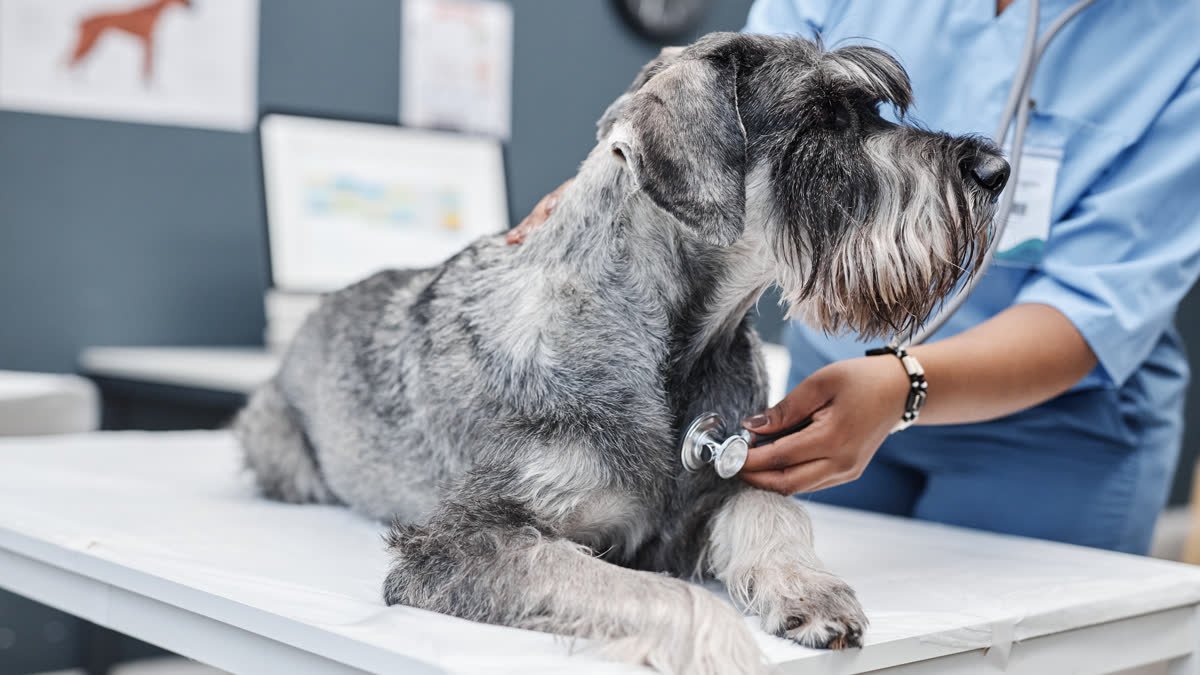
Dog health basics come down to five things you can actually control: daily observation, the right food in the right amount, a stable healthy weight, a current vaccine and parasite plan, and knowing the warning signs that mean call the vet today. Get those right and you catch most trouble early, when it is cheap and easy to fix.
What does a healthy dog actually look like day to day?
Health is not a once-a-year vet thing. It is a baseline you learn by watching your own dog, because the dog you live with is not the dog in the textbook. This guide is the hub for the whole topic, so use it as a map. The pages it links to go deep on each piece, so you can always come back to this Dog Health Basics guide for the full picture.
You build a baseline by paying attention when nothing is wrong. Notice how much your dog eats, how often they drink, what normal poop looks like, and how they move when they first get up. After that, the ordinary picture becomes your reference point. The day something shifts, you will see it fast because you already know what right looks like.
The five-minute daily once-over
I tell owners to run a quick scan during a calm moment, like an evening cuddle. Check the eyes for goop, the ears for smell or redness, the gums for a healthy pink. Feel along the body for new lumps, and watch the breathing while your dog rests.
- Eyes: clear and bright, no squinting or heavy discharge.
- Coat and skin: no bald patches, scabs, or constant scratching.
- Energy: normal interest in food, walks, and you.
- Bathroom: consistent stool, no straining, no blood.
- Movement: getting up and lying down without stiffness or yelps.
None of this takes special training. It just takes the habit of looking. For example, owners who do this catch the early lump, the sore tooth, and the first day of an upset stomach. Owners who skip it tend to notice only once a problem is loud.
Your dog cannot tell you when something feels off, so a short daily scan is the single highest-value health habit. You are building a baseline, and change against that baseline is the alarm.
How do food, weight, and gut health fit together?
Diet is the lever you touch every single day, so it carries a lot of weight in how your dog feels. A complete and balanced food sized to your dog does most of the job. The American Kennel Club has solid plain-language guidance on reading a label and matching food to life stage at akc.org.
Portion matters as much as the brand. Most owners free-feed or eyeball the scoop, and the slow result is a heavy dog. Extra weight is not cosmetic. It loads the joints, strains the heart, and shaves real time off a dog’s life, which the AVMA covers in its pet weight resources at avma.org.
The hands-on weight check
Forget the number on the scale for a second. Use your hands instead. Run them over the ribs, look down from above, and look at the profile from the side. This beats guessing, and you can do it in ten seconds.
| Check | Healthy weight | Carrying too much |
|---|---|---|
| Feel the ribs | Felt easily under thin cover | Buried, need to press to find |
| View from above | Clear waist behind the ribs | Straight or bulging sides |
| View from the side | Belly tucks up | Belly hangs level or sags |
If the ribs are hard to find or the waist is gone, trim the portions and cut back on treats. Keep treats under ten percent of daily calories. Once that becomes routine, the small daily discipline prevents the slow creep that sneaks up over a year.
Why the gut drives more than digestion
A dog’s gut does more than process food. It shapes the immune system and even mood, which is why a dog with chronic stomach trouble often reads as restless or short-fused. When digestion is off, behavior usually follows. Learn the practical fixes in improving your dog’s gut health.
Food can also be the hidden driver behind skin and scratching problems. If your dog gets itchy right after meals, that pattern is worth tracking, and why your dog itches after eating walks through the likely causes. Dogs with delicate digestion often do better on a simpler recipe, which is the whole point of food for sensitive stomachs.
One more common slip: reaching for the wrong bowl. Cat food is built for a different animal, and feeding it regularly causes problems, which is why whether dogs can eat cat food is a question worth a clear answer. When you change any food, do it gradually over about a week so the gut keeps up.
Turn these checks into a daily habit that sticks
This guide gives you the general rules. mypooch builds a health timeline for YOUR exact dog (breed, age, weight, history), prompts the daily check-in, and flags trends in weight, energy, and digestion you can share with your vet. It adjusts as your dog changes.
When should I take my dog to the vet, and for what?
Two kinds of vet visits matter: the routine kind that prevents trouble, and the urgent kind that responds to it. Both depend on you knowing what is normal. Skip the routine ones and, as a result, small problems grow in the dark.
For prevention, healthy adult dogs need a wellness exam once a year. Puppies come in every few weeks until the vaccine series is done, and seniors over seven often do better with two checks a year because problems move faster at that age. Core vaccines and parasite prevention are not optional extras, and PetMD has owner-friendly schedules at petmd.com.
The red flags that mean call today
Some signs are not wait-and-see. Learn this short list and you will never freeze in the moment that counts. Still, even the calmest owner needs the list in front of them. When you see any of these, phone the clinic and describe what is happening.
- Repeated vomiting or diarrhea, especially with blood.
- Trying to vomit with nothing coming up, plus a hard swollen belly.
- Trouble breathing, collapse, or a seizure.
- Pale or grey gums instead of healthy pink.
- No food or water for more than a day.
That hard belly with unproductive retching can be bloat, a twist of the stomach that kills fast without surgery. The ASPCA keeps a clear emergency and poison-control resource at aspca.org. When you are unsure, treat it as urgent and let the vet downgrade it, not the other way around.
Health and exercise are the same conversation
A healthy body needs to move. Under-exercised dogs gain weight, sleep poorly, and act out, and the fix is rarely just more food control. Movement is half the equation, which is why the Dog Exercise Guide pairs directly with everything on this page.
Genetics play a role too. Some breeds carry a heavier load of inherited conditions, and knowing your dog’s risks helps you watch the right things. If you want the honest picture, see which breeds have the most health problems and what those issues actually look like.
Get a health plan shaped to the dog you actually own
Generic advice treats every dog the same. mypooch reads your dog’s energy and stress with a daily check-in, tracks weight and digestion over time, and builds a vet-shareable timeline so your next appointment starts with real data instead of a shrug.
Common questions
How often should a healthy dog see the vet?
Most healthy adult dogs need one wellness exam a year. Puppies need a visit every three to four weeks until their vaccine series is finished, and senior dogs over seven often do better with two checks a year because problems move faster at that age. Book sooner any time something changes that you cannot explain.
What are the warning signs my dog needs a vet now?
Call your vet the same day for repeated vomiting, blood in stool or urine, a hard swollen belly, trouble breathing, collapse, seizures, refusal to eat for more than a day, or pale gums. A dog trying to vomit with nothing coming up can be a twisted stomach, which is a true emergency. When in doubt, phone the clinic and describe what you see.
How do I know if my dog is a healthy weight?
Run your hands along the ribs. You should feel them under a thin layer, like the back of your hand, without pressing hard. Look down from above for a waist behind the ribs, and from the side for a belly that tucks up. If the ribs are buried or the waist is gone, your dog is carrying too much. Your vet can score body condition on a 1 to 9 scale.
Does diet really affect my dog’s health and behavior?
Yes. The gut and the brain are linked, so a dog with chronic stomach trouble often shows it as restlessness, itching, or a short fuse. Feed a complete and balanced food sized to your dog’s weight and energy, keep treats under ten percent of daily calories, and change foods gradually over a week. If digestion stays off after a clean diet, see your vet.