
How to Improve Your Dog’s Gut Health
Loose stools, gas, and a dog who eats grass like it’s a buffet. Here’s what actually moves the needle, and what means it’s time to call your vet.
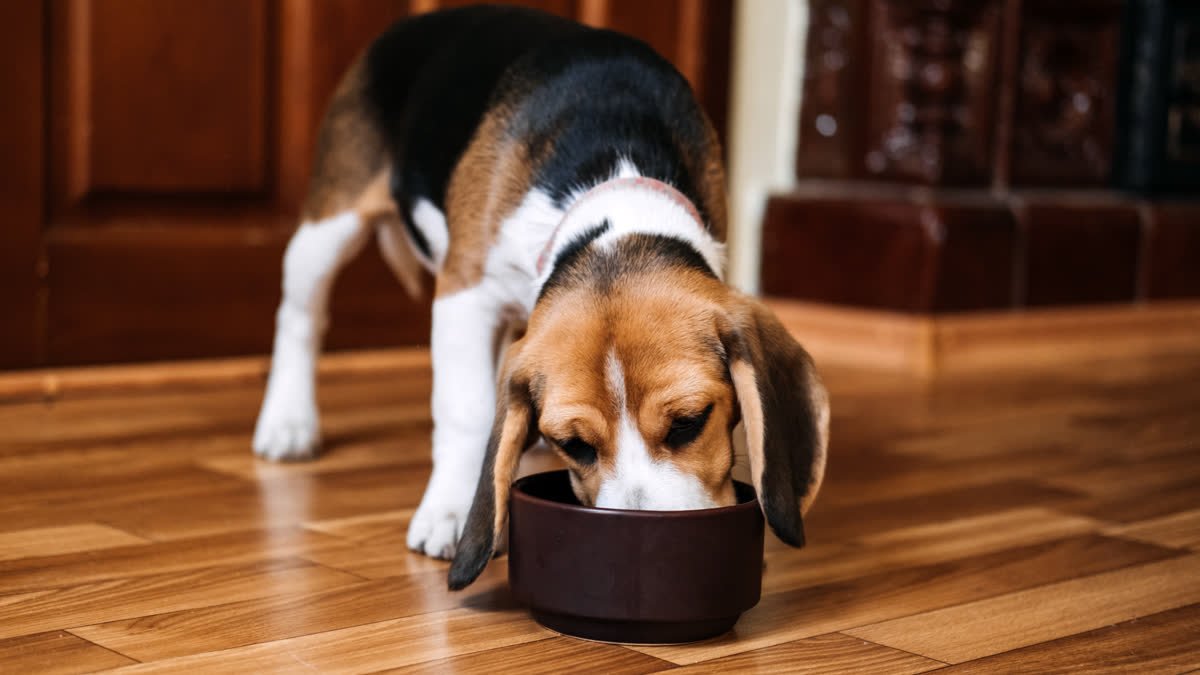
Improve your dog’s gut health by feeding one consistent, complete diet, transitioning any food change slowly over five to seven days, and adding fiber or a vet-recommended probiotic when needed. Cut the table scraps, keep water clean, and track stool quality. Persistent diarrhea, blood, or vomiting means call your vet, not the internet.
What does “gut health” actually mean for a dog?
Gut health is not a marketing word. It’s whether your dog digests food, absorbs nutrients, and produces firm stool without drama. Start with the Dog Health Basics guide for the full picture.
Your dog’s gut runs on a community of bacteria called the microbiome. That community breaks down food, trains the immune system, and keeps the gut lining intact. When it’s balanced, you get steady energy and boring poops. When it’s off, you get gas, soft stool, and a dog scratching at the door at 3am.
Most owners only notice the gut when something goes wrong. Still, the small signals come first. Loose stool after a new treat. A skipped meal. The grass-eating phase that comes and goes. These are worth reading, not panic buttons. A healthy gut is resilient, but it’s also sensitive to sudden change.
Read the stool first
The fastest way to read the gut is to read the stool. So here’s a plain yardstick before you change anything.
- Healthy: firm, holds its shape, easy to pick up, leaves little behind. This is the target.
- Slightly soft: shape is there but mushy on contact. Usually a minor diet or stress blip.
- Loose or watery: no shape, puddles, or mucus. Once you see this for more than a day, treat it as a flag.
Then there’s the stress side, which owners almost always miss. Because the gut and the brain talk constantly, an anxious or over-aroused dog often runs looser stool. A move, a new dog, a chaotic week: the gut feels it too.
The American Kennel Club is clear that consistency does more for digestion than any single supplement (AKC nutrition). So the boring diet usually wins. Variety feels kind to us, but a dog’s gut prefers a steady, predictable routine it can adapt to.
Gut health comes down to a balanced microbiome producing firm stool. Consistency beats variety, and sudden changes are the most common reason a healthy gut goes sideways.
What actually improves a dog’s gut health?
You don’t need a shelf of supplements. You need a handful of habits done consistently. Below is the order I’d work through with a client, because gut problems usually trace back to the simplest thing first.
1. Feed one consistent, complete diet
Pick a complete, balanced food and stick with it. Rotating brands every bag, free-feeding all day, and topping bowls with leftovers all keep the gut in a state of low-grade chaos. Instead, a steady diet lets the microbiome settle and adapt. Boring is the goal here.
If your dog already reacts to food, look at the protein and the ingredient list before you blame the gut. Our guide on food for sensitive stomachs walks through how to pick something gentle and read a label that isn’t trying to fool you.
2. Transition food slowly
Switching food overnight is the fastest way to cause diarrhea. Because the gut needs time to shift its bacterial mix to the new ingredients, you ramp the new food up over days. Go slow and your dog barely notices. Rush it and you’ll be cleaning the kitchen floor at midnight.
Then keep the stress low while you switch. A calm feeding spot and a steady schedule help the gut ride out the change instead of fighting it.
| Days | New food | Old food |
|---|---|---|
| 1 to 2 | 25% | 75% |
| 3 to 4 | 50% | 50% |
| 5 to 6 | 75% | 25% |
| 7 | 100% | 0% |
3. Add fiber the right way
Fiber feeds the good bacteria and firms up stool. A spoonful of plain canned pumpkin (not pie filling) is the classic owner trick, and it works for many dogs. Start small, because too much too fast swings you the other way into loose stool. Either way, match the amount to your dog’s size.
Track what your dog’s gut is telling you
This gets you the general playbook. mypooch builds a gut-health routine for YOUR exact dog (breed, age, diet, history), reads stress and energy alongside stool quality on a vet-shareable timeline, and adjusts the plan as things change. So you stop guessing and start seeing the pattern.
4. Use probiotics with a purpose
A vet-recommended canine probiotic helps many dogs, especially after antibiotics or a stressful stretch. Dog products differ from human ones, and the right strain matters more than the price. So ask your vet which one fits before you buy. A probiotic supports the gut, but it won’t fix a real medical problem underneath.
5. Cut the gut-wreckers
Table scraps, fatty leftovers, and a steady drip of treats are the usual culprits behind a bad week. Some human foods are outright toxic: onions, garlic, grapes, raisins, and xylitol. The ASPCA keeps a current list worth bookmarking (ASPCA toxic foods). Once those are off the table, clean water and a calm feeding routine round out the basics.
Work in order: consistent diet, slow transitions, smart fiber, purposeful probiotics, fewer scraps. Most gut issues clear up once the simple habits are locked in.
When should you stop guessing and call your vet?
Here’s the honest line. Diet tweaks fix the everyday stuff. Still, they do not fix disease, parasites, or infection. Knowing which one you’re dealing with is the whole game, and a vet is the only person who can tell you.
So call your vet if you see diarrhea or vomiting lasting more than 48 hours, blood in the stool, a swollen or painful belly, repeated vomiting, lethargy, or weight loss. Puppies, seniors, and small dogs dehydrate fast, so don’t wait it out with them. The AVMA’s guidance on when symptoms warrant a visit is a solid reference (AVMA pet owner resources).
Chronic gut trouble sometimes shows up as skin problems too. Once your dog starts scratching right after meals, that itch and the gut may be connected, and our piece on why your dog itches after eating covers that link. Either way, bring any pattern you’ve tracked to the appointment. A clear log of what changed and when saves your vet guesswork and saves you money.
In short, gut health is a long game, not a weekend project. Keep the diet boring, change one thing at a time, and watch the stool. That’s the unglamorous truth, and it’s also what works.
Common questions
How long does it take to improve a dog’s gut health?
Most dogs show steadier stools within one to two weeks of a consistent diet and a slow food transition. Still, deeper changes in the microbiome take longer, often four to eight weeks. So go slow, change one thing at a time, and track stool quality. If diarrhea lasts more than 48 hours or your dog seems unwell, call your vet.
Are probiotics good for dogs?
A vet-recommended canine probiotic can help many dogs, especially after antibiotics, stress, or a bout of diarrhea. Still, strains and dosing matter, and dog products differ from human ones. So ask your vet which product fits your dog instead of grabbing the first tub off the shelf. Probiotics support a healthy gut, but they do not fix an underlying medical problem.
What foods are bad for a dog’s gut?
Sudden diet switches, table scraps, fatty leftovers, and constant treat-table feeding all upset the gut. In particular, onions, garlic, grapes, raisins, and xylitol are toxic and must be avoided entirely. Rich human food is a common trigger for loose stools and pancreatitis. So keep the diet boring and consistent, and route any new ingredient in slowly over five to seven days.
When should I see a vet about my dog’s digestion?
Call your vet for diarrhea or vomiting lasting more than 48 hours, blood in the stool, a swollen or painful belly, repeated vomiting, lethargy, or weight loss. Because puppies, seniors, and small dogs dehydrate fast, do not wait with them. Gut symptoms can signal infection, parasites, or disease, and only a vet can diagnose the cause. So when in doubt, make the call.
Get a gut-health plan tuned to your dog
Reading about gut health is the easy part. mypooch turns it into a daily routine for YOUR dog: diet check-ins, a stool and energy log your vet can actually use, and adjustments as your dog responds. It does not replace your vet. It gives you the read a good trainer gives you, then builds on it.