
Best Dog Food for Sensitive Stomachs and Diarrhea
No single bag fixes a touchy gut. The food matters less than how you choose it and how you switch. Here is how to do both right.
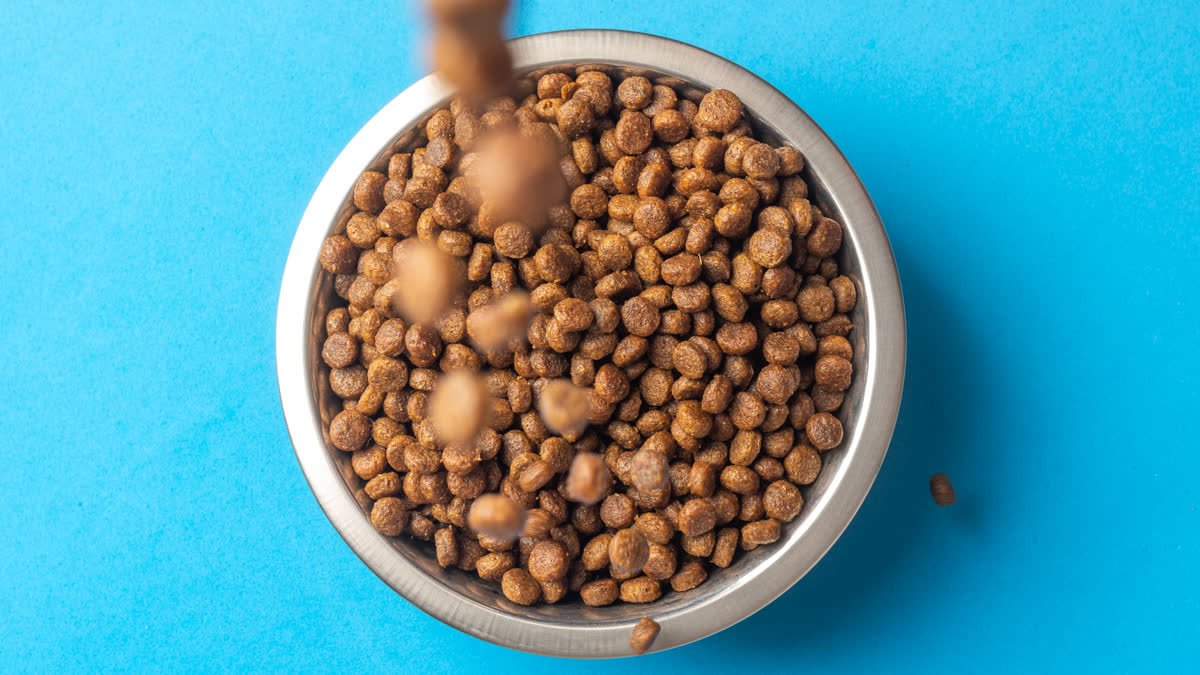
The best dog food for a sensitive stomach and diarrhea is a highly digestible, limited-ingredient diet with one named animal protein and moderate fat. Brand matters less than fit. Pick simple, switch over seven to ten days, and if loose stool lasts past 48 hours, call your vet.
What does a sensitive stomach in dogs actually mean?
Owners use “sensitive stomach” to mean a lot of things. Loose stool, gas, the odd vomit, a dog who skips meals. Before you blame the food, get clear on the symptom and rule out the scary stuff. Start with the Dog Health Basics guide for the full picture.
A genuinely sensitive gut is a digestive system that gets thrown off easily. Rich treats, table scraps, a sudden food change, even stress can tip it into diarrhea. That is different from a one-off bug or a parasite, and it is very different from a real food allergy, which is rarer than the pet aisle wants you to believe.
So separate the causes before you shop. A dog who has soft stool every single day on the same food has a different problem than a dog who blows up after a holiday of scraps. One needs a diet rebuild. The other, in contrast, just needs you to stop feeding the scraps.
When it is not the food at all
Diarrhea has plenty of causes that no kibble will fix. Parasites, infections, swallowed objects, and underlying disease all show up as loose stool. The American Veterinary Medical Association keeps clear owner guidance on when digestive signs need a real exam, and it is worth reading. See the AVMA pet owner resources if you are unsure.
“Sensitive stomach” is a symptom, not a diagnosis. Rule out parasites, illness, and scraps before you assume the bag is the problem.
What should you look for in food for a sensitive stomach?
Once your vet has cleared the serious stuff, the goal is simple. Feed something the gut can break down easily and react to predictably. In practice, that means fewer ingredients, a protein your dog tolerates, and fat kept in check.
In fact, high fat is a common trigger. Rich, greasy food pushes a touchy gut straight into loose stool, so a moderate-fat formula usually sits better. Look for one named animal protein, like chicken or lamb, instead of a vague “meat meal” blend. The shorter the label, the easier it is to spot what works and what does not.
Digestibility beats marketing
Grain-free is a label, not a benefit. Grain allergies in dogs are uncommon, and the FDA has been investigating a possible link between some grain-free diets and a serious heart condition. You can read the agency’s update on its grain-free diet investigation. Choose food on digestibility and your dog’s response, not the front of the bag.
A prescription gastrointestinal diet from your vet is worth considering for dogs with ongoing trouble. Generally, these are formulated for easy digestion and tested for it. A good over-the-counter limited-ingredient food works for many dogs too. The point is to keep gut health steady, which ties directly into improving your dog’s gut health over the long run.
| Look for | Be cautious of | Why it matters |
|---|---|---|
| One named protein (chicken, lamb) | Mixed “meat meal” blends | Easier to pinpoint what your dog tolerates |
| Moderate fat | High-fat, rich formulas | Excess fat is a frequent diarrhea trigger |
| Short ingredient list | Long novelty ingredient lists | Fewer variables when you troubleshoot |
| Digestibility and vet input | Grain-free marketing claims | Labels do not equal a calmer gut |
Stop guessing which food fits your dog
A label tells you the average. Your dog is not the average. mypooch logs what you feed, tracks stool and energy day to day, and builds a sensitive-stomach plan tuned to your dog’s breed, age, and history. It flags patterns you would miss and keeps a vet-shareable timeline.
How do you switch food without making the diarrhea worse?
Most “the new food didn’t work” stories are really “I switched too fast” stories. A sudden change is a reliable way to cause diarrhea, even with a great food. Slow the transition down and you remove a major variable.
Run the switch over seven to ten days. Mix the new food into the old in growing amounts so the gut adjusts gradually. Keep everything else boring while you do it: no new treats, no scraps, no chews. The ASPCA’s dog nutrition guidance backs this slow, steady approach.
A simple transition schedule
- Days 1 to 3: roughly 25 percent new food, 75 percent old.
- Days 4 to 6: about half and half.
- Days 7 to 9: roughly 75 percent new, 25 percent old.
- Day 10 onward: full new food, then hold steady for two to four weeks.
Either way, watch the stool, not the calendar. If your dog backslides, drop to the last ratio that worked and hold there longer before moving up. Patience wins here. Pushing the schedule just resets the whole cycle.
When to stop and call the vet
Some signs mean food is not the answer and you need a professional. Blood in the stool, black tarry stool, vomiting, lethargy, a hard or swollen belly, or diarrhea past 48 hours all warrant a call. Puppies, seniors, and dogs with other conditions get less margin, so phone sooner. For trustworthy symptom guidance, PetMD’s digestive health section is a solid starting read, but it does not replace your vet.
Common questions
What is the best dog food for a sensitive stomach and diarrhea?
There is no single best brand. The best food is a highly digestible diet with one named animal protein, limited ingredients, and moderate fat. Many owners get good results with a vet-recommended gastrointestinal diet or a limited-ingredient food, but the right pick depends on your individual dog. Ask your vet before you switch if the diarrhea is ongoing.
How long does it take a sensitive stomach to settle on new food?
Plan on two to four weeks. Transition the new food over seven to ten days, then give the gut time to adjust. Stool should firm up within a week or two of finishing the switch. If it does not, or if your dog gets worse at any point, stop and call your vet.
Is grain-free food better for a dog with a sensitive stomach?
Usually not. Grain allergies in dogs are rare, and the FDA has investigated a possible link between some grain-free diets and heart disease. Most sensitive-stomach issues trace back to fat, protein source, or a too-fast food change, not grain. Choose food based on digestibility, not marketing labels.
When should I take my dog to the vet for diarrhea?
Call your vet if diarrhea lasts more than 48 hours, if you see blood, black tarry stool, vomiting, lethargy, or a swollen belly, or if your dog is a puppy, senior, or has another health condition. Diarrhea has many causes beyond diet, including parasites and infection, and food alone will not fix those.
Turn a touchy gut into a tracked plan
Sensitive stomachs are a pattern problem. mypooch builds a feeding and gentle-exercise plan for your exact dog, logs each day, and adjusts as the stool changes. You get a clear timeline to hand your vet instead of trying to remember what happened last Tuesday.