
The Easiest Puppies to Train (and Why)
Easy has almost nothing to do with breed and everything to do with three traits you can spot in the first week. Here is what they are.
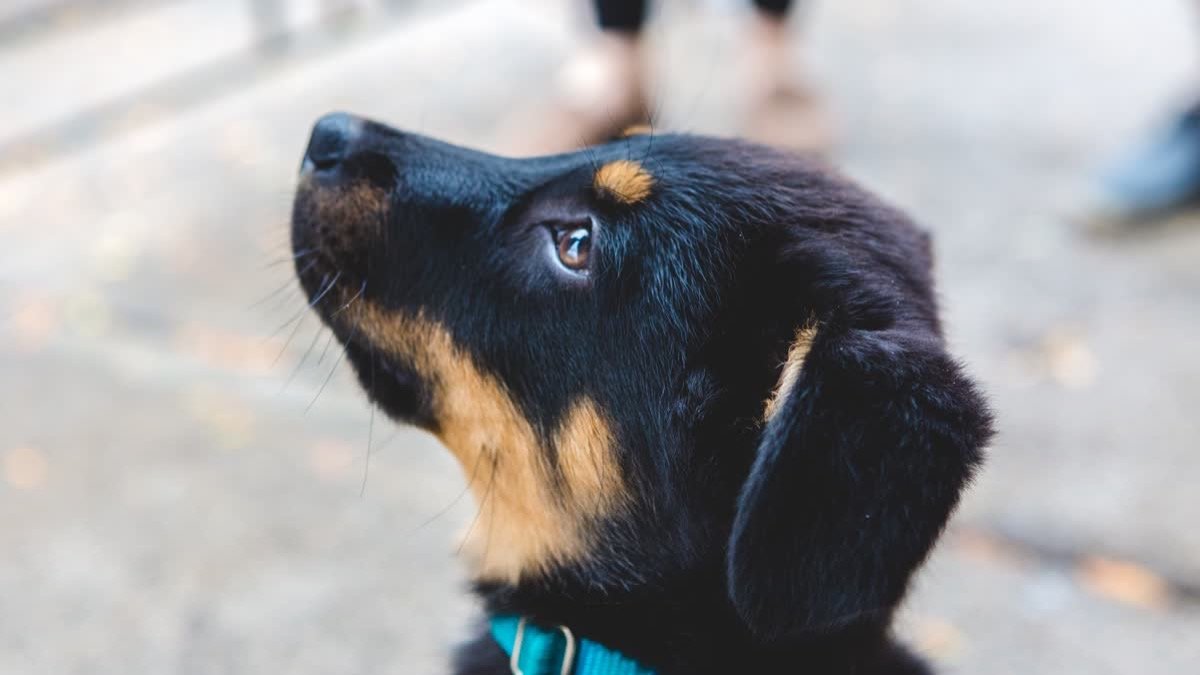
The easiest puppies to train share three traits: high biddability (they want to work with you), strong food or toy drive, and moderate energy. Breeds like Labradors, Golden Retrievers, and Poodles score high on all three, which is why they land on every list. But the trait matters more than the label. A calm, food-motivated mutt can be easier than a hard-headed purebred.
What actually makes a puppy easy to train?
People search “easiest puppies to train” and expect a breed name. The honest answer is messier. Start with the Puppy Training Guide for the full picture, then come back here for the traits that matter. Easy is not a breed. Easy is a set of behaviors you can read in the first few days.
I have trained dogs that look easy on paper and fight you on everything. I have also met scruffy shelter pups who learned sit in one session. The breed chart lied both times. What predicts an easy puppy is biddability, drive, and energy level, not pedigree.
Biddability: does the puppy want to work with you?
Biddability is the willingness to take direction from a person. Some puppies check in with you constantly and light up when you ask for something. Others were bred to make independent calls without a handler. That second group is not dumb. They just question whether your idea beats their idea.
Retrievers and herding dogs tend to score high here because their jobs required tight teamwork with a human. Hounds and many terriers score lower because they worked alone, nose down or prey-focused. A biddable puppy makes you feel like a genius. A low-biddability puppy makes you earn it.
The single best predictor of an easy puppy is biddability: whether the dog naturally checks in with you and wants to work as a team. You can spot it in week one.
Drive: what will the puppy work for?
Training runs on motivation. A puppy with strong food or toy drive gives you a clear currency to pay with. When the reward matters to the dog, the dog offers behavior fast. When nothing motivates them, every rep is a negotiation.
This is why food-obsessed breeds feel easy. You are never short on leverage. A picky eater with no toy interest is harder, not because the dog is stubborn, but because you have nothing good to trade.
Energy: can you actually meet the need?
Energy is the trait owners underestimate most. A brilliant, biddable puppy with sky-high energy is only easy if you exercise it properly. The American Kennel Club is blunt about this: high-energy breeds need real daily outlets or the smarts turn into trouble. Read their breed-energy overview at akc.org before you fall for a face.
Moderate-energy puppies are forgiving. They settle in the house, focus in sessions, and recover from your mistakes. The easiest puppies sit right in that middle band: motivated enough to work, calm enough to live with.
Notice that this is also what most owners mean by easy. When they say easy, they usually mean fast to housetrain and calm in the crate. Both ride on the same engine: a biddable pup on a predictable routine learns the potty rules quicker because it reads your cues and settles between breaks.
Which puppies are easiest, and why?
Now the breeds. These show up on every easy list for a reason: they tend to stack biddability, drive, and workable energy. Treat this as a starting read, not a guarantee. Lines within a breed vary, and the individual puppy in front of you always wins the argument.
| Breed type | Why it trains easily | The catch |
|---|---|---|
| Labrador Retriever | High food drive, very biddable, eager to please | Big energy as a youngster; bores easily |
| Golden Retriever | Soft, biddable, loves working with people | Sensitive to harsh handling; needs exercise |
| Standard Poodle | Fast learner, strong handler focus | Smart enough to invent its own jobs |
| Papillon | Bright, motivated, surprisingly trainable | Tiny, so owners skip real training |
| Calm mixed breed | Often moderate energy and food-motivated | Traits are a coin flip; meet the pup first |
Notice the pattern in that “why” column. Every easy breed leans on the same three traits I opened with. Notice the “catch” column too. Easy to teach is not the same as low maintenance. A Lab learns fast and still needs a job, a walk, and rules every day.
One more myth to kill: small does not mean easy. Plenty of toy breeds are slow to potty train and quick to run the house, mostly because owners carry them instead of teaching them. The trainability lives in the temperament, not the weight class.
Find out which traits your puppy actually has
This article gives you the general read. mypooch builds a training plan for YOUR exact puppy: it reads your dog’s energy, drive, and focus, then hands you a 5-minute Drill of the Day matched to what motivates that specific pup, and adjusts it daily as they grow.
What if your puppy is not on the easy list?
Most owners reading this already have the puppy. The breed chart is behind you. Good news: training difficulty is far more about your setup than your dog’s pedigree, and you control the setup.
Match the pay to the dog
If your puppy seems stubborn, you usually have a motivation problem, not a defiance problem. Independent breeds were built to weigh whether obeying is worth it. So raise the value. Use better food, train when the dog is a little hungry, and keep sessions short and winnable. The American Veterinary Medical Association backs reward-based methods over force for exactly this reason; see their behavior guidance at avma.org.
A so-called hard breed often turns easy the moment you stop nagging the same word and start paying like the behavior matters. If you are stuck on this, my full breakdown of how to train a stubborn dog walks through the exact fix.
Lock in a routine the puppy can predict
Predictable puppies are calm puppies, and calm puppies train well. Feed, potty, nap, and train at consistent times so the dog stops guessing. A solid daily rhythm does half the work for you, which is why a steady eight-week schedule pays off so fast.
You cannot change your puppy’s breed, but you control reward value, session length, and routine. Those three get most “hard to train” puppies moving in the right direction inside a couple of weeks.
Exercise first, train second
A wired puppy cannot focus, and an unfocused puppy looks untrainable. Drain some energy with a walk or play before you ask for attention. The order matters more than people think. Tired enough to listen, not so tired they shut down.
Get those three levers right and almost any puppy becomes a fast learner. The breed sets your starting line. Your daily habits decide where the dog finishes.
Common questions
Are smaller puppies easier to train than big ones?
Not really. Size has little to do with trainability. Many small breeds are stubborn, slow to potty train, and easy to spoil because owners carry them instead of teaching them. What matters is biddability, focus, and food drive, not how many pounds the puppy weighs. A calm 60-pound retriever often trains faster than a wired 8-pound terrier.
What is the easiest age to start training a puppy?
Start the day your puppy comes home, usually around 8 weeks. Puppies learn rules from the moment they arrive, so you are training either way. Keep sessions to two or three minutes, reward heavily, and end before they get bored. Early socialization between 8 and 16 weeks matters more for long-term ease than any single command you teach.
Is a Golden Retriever or Labrador the easiest puppy to train?
Both score high on biddability and food drive, which is why people call them easy. The catch is energy. A young Lab or Golden needs real daily exercise, and a bored one chews, jumps, and pulls. Easy to teach does not mean low effort. You still owe that puppy structure, exercise, and consistent rules every single day.
Can a stubborn breed still be easy to train?
Yes, with the right setup. Independent breeds were bred to make their own decisions, so they question your value before they comply. Pay better, train shorter, and make following you obviously worth it. Many owners of so-called stubborn breeds get fast results once they raise the reward and stop nagging the same command.
Train the puppy you have, not the chart
The easy-breed lists are generic. Your puppy is not. mypooch reads your dog’s drive, energy, and focus, then builds a puppy training plan around what actually motivates them and adjusts it daily as they mature. It is the read a good trainer gives you in the first ten minutes, in your pocket.