
How to Train a Stubborn Dog: A Trainer’s Real Guide
Most stubborn dogs are not stubborn. They are confused, under-motivated, or bored stiff. Here is how a working trainer reads the difference and fixes it.
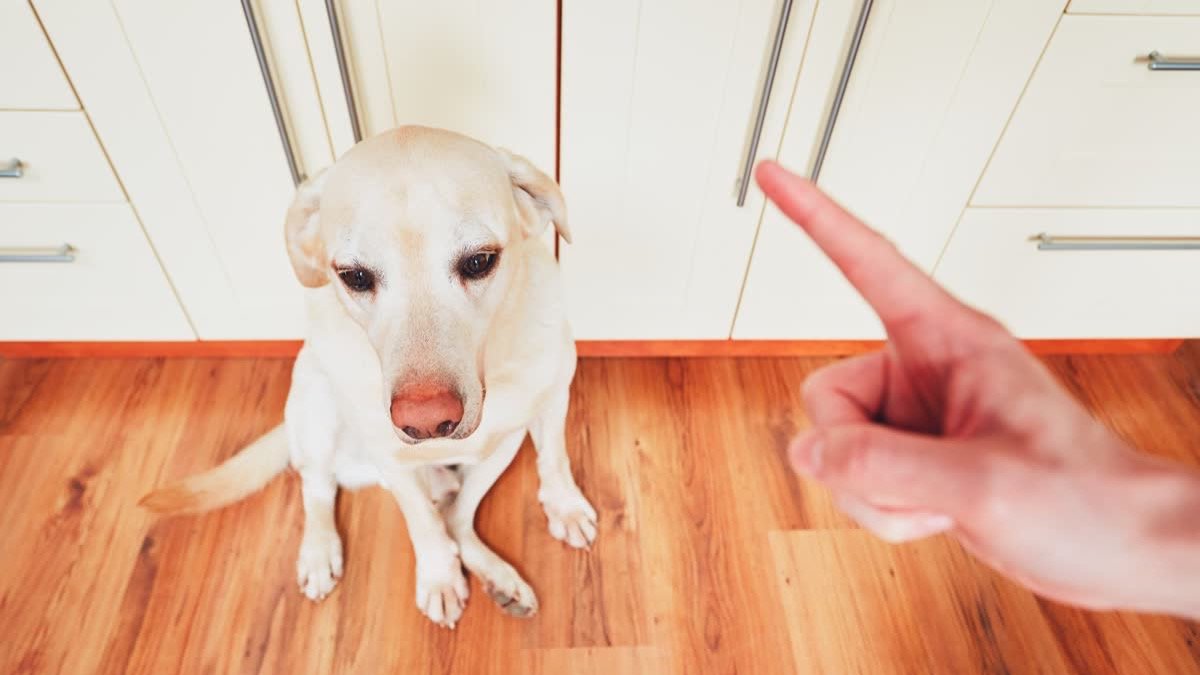
Train a stubborn dog by treating stubbornness as a symptom, not a personality. Raise your reward value, shrink each session to five minutes, drop the difficulty until the dog wins, and stay consistent every single day. What looks like defiance is almost always a dog that does not understand the cue, does not value the payoff, or is too distracted to focus.
Why does my dog seem so stubborn?
Here is the truth nobody selling a $40 collar wants you to hear: most stubborn dogs are not stubborn at all. They are confused, under-paid, or checked out. Start with the Dog Training Tips guide for the full picture, then come back here for the stubborn-specific work.
I have walked into hundreds of homes where the owner swears the dog is “being defiant.” Then I watch one rep. The cue changes every single time, the treat is a stale biscuit the dog could find on the floor anyway, and meanwhile that session drags ten minutes in a kitchen full of smells. That is not a stubborn dog, that is a dog with no reason to listen.
Dogs do what works for them. When a cue pays off and the payoff beats whatever else is happening, they comply. When it does not, they make their own call. Some breeds make their own call more often because we bred them to. Hounds, huskies, and terriers worked at a distance from people for generations.
Age skews it too. The “stubborn” label peaks in the adolescent window, roughly six to eighteen months, when a dog that knew its cues last month suddenly tests every one of them. Recall and loose-leash walking are the two battlegrounds where this shows up most, because both ask your dog to choose you over a world full of better options.
Confusion looks exactly like defiance
Picture this. You taught “sit” by pushing the dog’s rear down with a treat overhead. Now you stand upright, say “sit” once, and the dog stares at you. You read that as ignoring you. The dog reads it as a brand-new puzzle, because your body looks nothing like the version it learned. Same word, different picture, total blank.
This is the single most common thing I fix. Owners think they have a behavior problem when they have a clarity problem. The dog needs the cue to mean the same thing in your kitchen, your yard, and on a busy sidewalk. That takes deliberate reps in each spot, not repetition of the word louder.
Before you label a dog stubborn, ask whether the cue is clear, the reward is worth it, and the setting is calm enough to learn in. Fix those three and most “stubbornness” evaporates.
How do you train a stubborn dog step by step?
You do not out-stubborn a dog. You out-strategize it. The American Kennel Club makes the same point in its training resources: reward-based, consistent teaching beats force every time. Below are the five moves I use with the dogs other trainers gave up on.
1. Pay better, not more
A bored dog ignores kibble. The same dog will move mountains for a pea-sized piece of chicken or cheese. Find your dog’s top-tier reward and save it for training only. Value is relative, so the harder the ask, the better the pay has to be. This one change flips most “stubborn” dogs in a single session.
2. Shrink the session
Five minutes beats thirty. A stubborn dog is often a tired or over-faced dog. Run two or three short bursts a day and quit while the dog still wants more. You build a dog that runs to you for training instead of one that drifts away mid-session.
3. Lower the bar until they win
If your dog fails three times in a row, you made it too hard. Back up. Reward an easier version, then build difficulty one notch at a time. Winning is what keeps a dog in the game. A dog that wins often tries harder, and a dog that loses often quits.
4. One cue, one meaning, every time
Pick a word and freeze it. Do not say “sit,” “sit down,” and “siddown” for the same behavior. Keep your hand signal identical. Get everyone in the house using the same words. Consistency is the lever that does the heavy lifting, and most homes leak it everywhere.
5. Proof it in new places
A dog that sits perfectly in the living room may blank in the park. That is normal. Generalize on purpose. Run the same easy cue in five different spots over a week, paying well each time, until the behavior travels with the dog instead of staying home.
If you want a deeper menu of beginner-friendly reps to build that focus, my breakdown of easy training tricks that build focus pairs well with this work. Short wins stack into a dog that actually pays attention.
| What you see | What it usually means | The fix |
|---|---|---|
| Stares at you and does nothing | Confused by the cue | Re-teach with the exact picture you trained |
| Walks away mid-session | Reward too low or session too long | Upgrade the treat, cut to five minutes |
| Works at home, ignores you outside | Not proofed, too distracted | Drop difficulty, proof in new spots slowly |
| Refuses a cue it knew yesterday | Possible pain or stress | Rule out a vet issue before training |
Get a stubborn-dog drill built for the dog you actually own
This page gives you the general playbook. mypooch reads your dog’s breed, age, energy, and history, then builds a five-minute Drill of the Day aimed at the exact cue your dog blows off. It adjusts daily based on what you log, so you stop guessing which fix to try next.
When stubborn means something else entirely
Sometimes the problem is not training. A dog that suddenly refuses an easy, well-known cue may be hurting. Joint pain, dental pain, and ear infections all show up as “he just stopped listening.” When the change is sudden, see your vet before you drill. The ASPCA lists pain among the common drivers of behavior shifts in its dog care guidance.
Stress and fear also masquerade as stubbornness. A dog that freezes at the door is not refusing the walk to spite you. It may be overwhelmed by something out there. Yawning, lip-licking, and turning away are calming signals, not attitude. Reading those signals is its own skill, and it changes how you train.
Where the line is on punishment
I get asked about prong collars and e-collars constantly. My answer stays the same. A confused dog punished for confusion learns to fear you, not to perform the cue. The AVMA backs reward-based methods, and so does every credentialed trainer I respect. Raise the reward and lower the difficulty long before you ever consider pain.
There is a hard limit, though. If your dog’s “stubbornness” comes with growling, snapping, lunging, or biting, stop the DIY approach. That is not a training-tip problem. Bring in a CCPDT-certified trainer or a veterinary behaviorist who can keep everyone safe. My overview of behavioral training for dogs covers when to escalate and to whom.
Sudden refusal of a known cue can mean pain, so rule out a vet issue first. Aggression or fear belongs with a credentialed pro, not a louder voice or a harsher collar.
Most owners I meet are closer than they think. They have a willing dog and a few habits that leak consistency. Tighten the cue, pay better, keep it short, and proof it everywhere. Do that for two or three weeks and the “stubborn” label tends to fall off on its own.
Common questions
Are some dog breeds just too stubborn to train?
No breed is too stubborn to train. Independent breeds like huskies, hounds, and terriers were bred to make decisions without a handler, so they question your cues more than a border collie does. That reads as stubborn. The fix is the same: better rewards, shorter sessions, and reps that prove your cue beats the environment.
How long does it take to train a stubborn dog?
Expect noticeable change in two to three weeks of short daily sessions, and a solid habit in eight to twelve weeks. A so-called stubborn dog is usually under-motivated or under-clear, not slow. Once the reward is worth it and the cue is consistent, most dogs speed up fast. Skipping days resets the clock more than anything else.
Should I use a shock collar on a stubborn dog?
Skip it. Aversive tools suppress behavior without teaching the dog what to do instead, and they often add fear or aggression to a dog that was only confused. The AVMA and most certified trainers favor reward-based methods. If a dog ignores you, raise your reward value and lower your difficulty before you ever reach for punishment.
When should I get professional help with a stubborn dog?
Get help when stubbornness comes with growling, snapping, biting, or panic, or when nothing improves after several weeks of consistent work. Sudden refusal to do an easy, known cue can signal pain, so rule out a vet issue first. For aggression or fear cases, work with a CCPDT-certified trainer or a veterinary behaviorist, not a balanced board-and-train.
Turn “stubborn” into a daily plan that adapts
Reading tips is the easy part. Knowing which fix to use today, on your dog, is the hard part. mypooch builds a stubborn-dog plan around your dog’s breed, age, energy, and history, then adjusts the next drill based on what worked. Log a session, get the next step. No more flying blind.