
What Your Dog’s Tail Is Really Telling You
A wag is not a smile. It is raw emotion leaking out the back end, and once you can read the height, speed, and direction, you stop guessing about your dog.
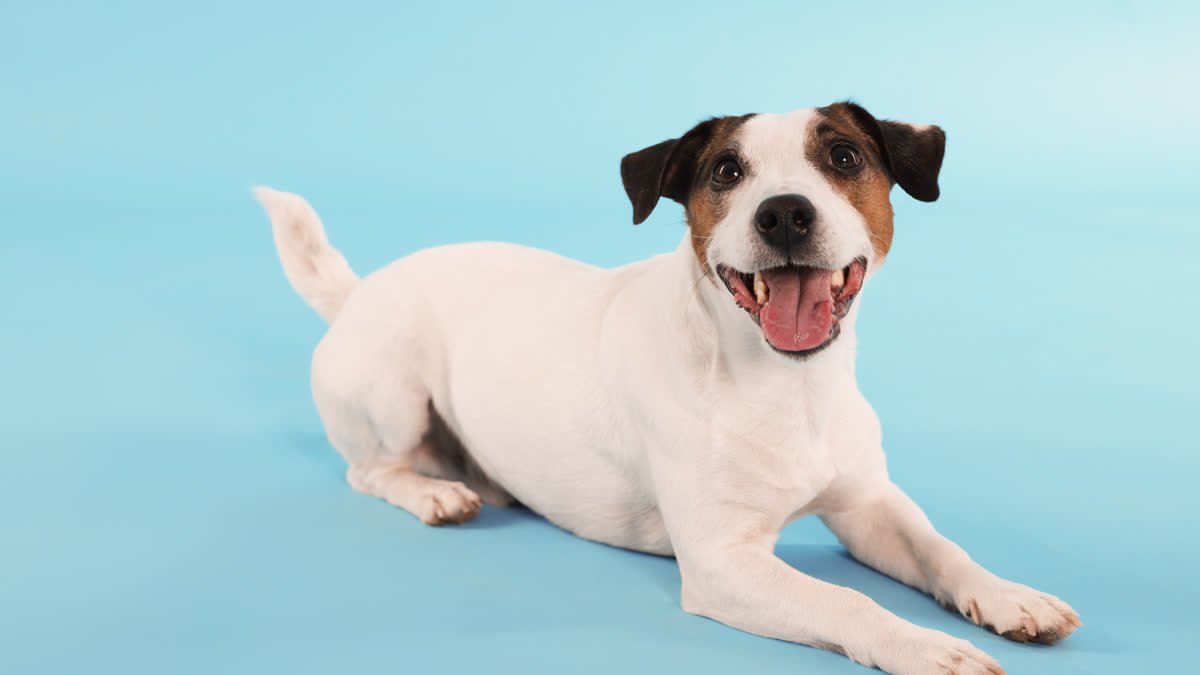
Dog tail wagging meaning comes down to arousal, not happiness. A wag tells you the dog is emotionally charged and ready to do something. The actual message lives in the details: a high, stiff, fast wag leans toward tension or threat, while a low, loose, full-body wag reads as friendly and relaxed. You read the tail with the whole body, never alone.
Does a wagging tail really mean a dog is happy?
No, and that single myth gets more people bitten than almost any other. A wag means the dog is aroused and ready to act, nothing more. Start with the Dog Behavior Explained guide for the full picture, because the tail is one channel in a much bigger conversation.
Think of the tail like a volume knob, not a mood ring. Generally it tells you how much emotional charge is in the dog right now. What kind of charge it is, friendly or defensive, depends entirely on the shape and speed of the movement plus everything else the body is doing.
I have watched owners walk a child straight toward a wagging dog because they read the motion as a green light. That dog was stiff, high, and locked on. The wag was a warning, and the body was screaming it. Still, the owner saw motion and assumed safe. Reading the tail in isolation is how good intentions turn into emergency room trips.
A wag confirms emotion is present. It does not tell you which emotion. You decode that from tail height, wag speed, and the rest of the body working together.
The American Kennel Club makes the same point in its body-language work: tail position and motion are pieces of a full picture, never a standalone signal. You can read their overview at akc.org. The takeaway is simple. Slow down and read the whole animal before you decide what the wag means.
How to read tail height, speed, and direction
Three variables carry most of the meaning. Once you get these three, you are already reading dogs better than most people on the street. Height sets the baseline, speed sets the intensity, and direction adds a subtle layer on top.
Tail height tells you confidence
Height maps roughly to how the dog feels about its standing in the moment. Held above the back line, a tail usually signals confidence, alertness, or arousal that can tip into a challenge. At spine level it reads as neutral and relaxed. A tail dropped low or tucked under the belly, though, signals worry, appeasement, or fear.
Breed shape complicates this, so calibrate to your own dog. For example, a husky carries its tail naturally high, while a whippet carries low. Learn your dog’s resting baseline first. Then any shift up or down from that baseline is the real message.
Wag speed tells you intensity
Speed is the intensity dial. A broad, loose, sweeping wag that takes the hips along with it is the closest thing to a genuine happy greeting. Held high, a small, fast, buzzy wag signals high arousal and often tension. When the wag turns slow and deliberate, the dog is uncertain and assessing the situation carefully. In fact, a full circular helicopter wag, where the tail sweeps in a loop, usually means the dog is flooded with excitement and genuinely thrilled to see you.
| What you see | Likely state | Your move |
|---|---|---|
| High, stiff, fast wag | Arousal, tension, possible threat | Create space, do not approach |
| Mid-height, loose, full-body wag | Friendly, relaxed | Calm greeting is fine |
| Low, slow wag | Caution, uncertainty | Give room, let the dog choose |
| Tucked tail, tiny wag | Fear, appeasement | Reduce pressure, back off |
Direction adds a subtle bias
This part surprises people. Studies on tail-wagging asymmetry found that dogs tend to wag more to their right when they feel something positive and more to their left when they want to retreat. It is a lean, not a rule. Rather than lead with it, treat direction as a tiebreaker once you have already read height and speed.
Not sure what your dog’s wag actually means?
This gets you the general rules. mypooch reads your specific dog, breed, age, energy, and history, then helps you read what your dog’s tail and body are signaling through the AI Check-In. It learns your dog’s baseline and adjusts daily.
Reading the tail with the whole dog
The tail never works alone, and treating it that way is the core mistake. Instead, a reliable read combines the tail with the ears, the eyes, the mouth, and the weight of the body. When all those channels agree, you have your answer.
Picture a loose wag paired with a soft face, a relaxed mouth, and weight settled evenly. That dog is genuinely friendly. Now picture that same wag over a stiff body, hard staring eyes, a closed mouth, and weight pitched forward. The tail is the least important thing in that frame, and the dog is telling you to back off.
Stress shows up across the body in a cluster. For instance, lip licking, yawning when the dog is not tired, a tucked tail, and a turned-away head often appear together. If you want to understand the yawning piece, I broke it down in why does my dog yawn so much. These signals stack, and the more of them you spot, the clearer the picture.
One signal is a guess. Three signals pointing the same way is a read. Tail plus ears plus eyes plus body weight beats any single cue every time.
When a wag means walk away
Some patterns are stop signs. A high, rigid tail with fast micro-movements over a frozen, forward-leaning body is a dog near its limit. A tucked tail with whale eye, the white showing at the edges, means fear. In both cases the dog needs space, not a friendly hand reaching in.
If your own dog shows tension, stiffness, or warning patterns toward people or other dogs on a regular basis, that is behavior to take seriously. Do not run home protocols on a dog that is rehearsing aggression. Loop in a credentialed professional through the AVMA or a certified behavior consultant, and rule out pain with your vet first.
For the everyday stuff, the calm wags and curious wags, your job is mostly to slow down and watch. Generally, the more you read your dog on quiet days, the faster you catch the shift on a tense one. That habit, in the end, is worth more than any single chart.
Common questions
Does a wagging tail always mean a dog is happy?
No. A wag only tells you the dog is aroused and ready to act. The emotion behind it can be joy, tension, or warning. You read the real meaning from tail height, speed, and the rest of the body. A high, stiff, fast wag over a tense frame is closer to a threat than a greeting.
What does it mean when a dog wags its tail to the right?
Research on tail-wagging asymmetry suggests dogs tend to wag more to their right side when they feel something positive, like seeing their owner, and more to the left when they encounter something they want to withdraw from. It is a subtle bias, not a switch, so treat it as one clue among many rather than a verdict on its own.
Why does my dog wag its tail low and slow?
A low, slow wag usually signals caution, uncertainty, or appeasement. The dog is checking the situation rather than celebrating it. Give the dog room, drop the pressure, and let it choose to approach. If the low wag comes with a tucked tail and a hunched body, the dog is stressed and needs space, not coaxing.
Can dogs control their tail wagging?
Mostly no. Tail movement is driven by the dog’s emotional state, not a deliberate signal it chooses to send. That is exactly why it is honest. The tail leaks information the dog is not trying to manage, which makes it the hardest signal for a dog to fake once you know what each pattern means.
Read your own dog, not the average dog
Charts describe the average dog. The dog you live with is not average. mypooch builds a behavior read for your exact dog and turns it into a daily plan, the AI Check-In flags stress, Behavior Search answers your specific questions, and it adjusts as your dog changes.