
Why Does My Dog Yawn So Much?
A yawn is not always a tired dog. Sometimes it is your dog telling you they are stressed, and most owners miss the difference.
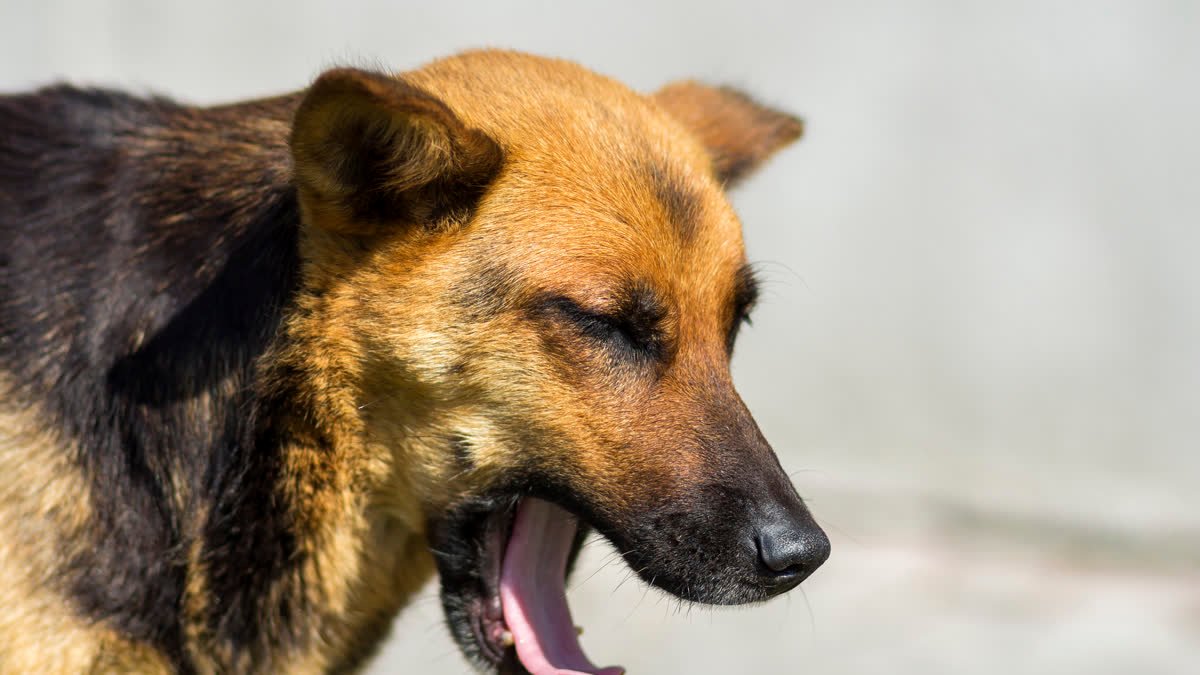
Dogs yawn for three main reasons: tiredness, mild stress, and a social reflex. A relaxed yawn means a drowsy, content dog. A stress yawn is a calming signal that shows your dog feels uncomfortable. Context tells you which one you are seeing. Frequent yawning is usually normal, but pair it with lethargy or appetite loss and you should call your vet.
What does it mean when a dog yawns a lot?
Most owners assume a yawn means the same thing it means in people. Your dog is tired and ready for bed. That read is right about half the time. The other half, your dog is yawning to manage stress, and reading it as sleepiness can lead you to push them into a situation they want out of. If you want the bigger map of how dogs communicate, start with the Dog Behavior Explained guide for the full picture.
Dogs throw yawns constantly, and the yawn carries more than one meaning. Trainers group canine yawns into three buckets:
- The tired yawn. Usually this is the plain sleepy yawn you see after a hard walk.
- The stress yawn. Behaviorists call this one a calming signal, and it shows up when your dog feels pressured.
- The contagious yawn. Sometimes your dog simply catches a yawn off you.
Generally the behavior itself is normal. A healthy dog yawns several times a day without any problem at all. Puppies often yawn more than adults because they cycle through sleep harder. Still, what matters is the company the yawn keeps: the body posture, the eyes, and what is happening around your dog in that moment. Read those together and the yawn starts to make sense.
A yawn on its own tells you almost nothing. The same yawn means “I am sleepy” on the couch and “I am stressed” at the vet. Always read the yawn alongside body posture and the situation.
Yawning as a calming signal
Norwegian trainer Turid Rugaas popularized the term calming signal, and the yawn sits near the top of that list. When a dog feels mild pressure, they yawn to defuse it, both for themselves and for whoever is making them uncomfortable. You will see it when a stranger leans over your dog, when two dogs are sizing each other up, or when a child gets too close to the food bowl.
This is your dog asking for space in the politest way they know. Spot it early and you can step in before the discomfort turns into a growl or a snap. Ignore it and you teach your dog that the quiet signals do not work, which pushes them toward louder ones.
Tired yawn vs. stress yawn: how to tell them apart
The yawn looks nearly identical either way. The rest of the dog does not. A drowsy yawn comes with a loose, soft body and slow movement. A stress yawn comes with tension: a stiff frame, a closed mouth between yawns, lip licks, and a dog who keeps glancing at the exit.
Timing is your best clue. A yawn that lands the second a situation gets tense is almost never about sleep. Meanwhile, watch when the yawns cluster. For example, if your dog yawns three times while a guest reaches for them, that is a stress yawn, not a nap cue. In contrast, the same dog yawning slowly during a quiet evening is simply winding down.
| Signal | Tired yawn | Stress yawn |
|---|---|---|
| Body posture | Loose, relaxed, soft | Stiff, tense, leaning away |
| Eyes | Soft, half-closed | Wide, “whale eye” showing whites |
| Timing | Quiet, low-key moments | The instant pressure appears |
| Other signs | Stretching, slow blinks | Lip licks, yawn clusters, pacing |
One more pattern worth naming. Yawns often travel with lip licks and head turns in the same stressed moment. When you see two or three of those signals stack up, treat it as a clear request for space. The yawn that travels with relaxed wagging is a different story, and our breakdown of what tail wagging really means shows how the two signals read together.
Not sure if that yawn was stress or sleep?
This article gives you the general rules. mypooch reads your specific dog. The AI Check-In looks at the signals you describe and tells you whether your dog is winding down or asking for space, then builds a calm-down drill for your exact dog (breed, age, energy, history) and adjusts it daily.
The contagious yawn
You yawn, and a few seconds later your dog yawns too. That is a real effect, not a coincidence. Studies summarized by the American Kennel Club suggest dogs catch yawns more readily from people they are bonded to. It is harmless, and many trainers read it as a small sign of the social connection between dog and owner.
You can even use it. A slow, exaggerated yawn from you can sometimes coax a tense dog into a calmer state, the same way a deep breath settles a nervous person. Still, it will not fix real anxiety, though it is a gentle nudge in the right direction during low-stakes moments.
When should I worry about my dog yawning?
Most of the time, you should not. Frequent yawning by itself rarely signals trouble. In most cases the picture changes only when the yawn shows up next to symptoms that point at the body rather than the mood.
In some cases, excessive yawning has been linked to pain, nausea, and low energy from an underlying issue. The yawn is never the diagnosis. Rather, it is a small piece of a larger pattern your vet needs to see. Use the list below as a prompt to pick up the phone, not as a way to guess at the cause yourself.
- Yawning paired with lethargy, weakness, or a dog who will not get up
- Pale, blue-tinged, or unusually dark gums alongside the yawning
- Loss of appetite, vomiting, or signs of nausea
- Labored breathing or yawning that looks like a struggle to get air
- A sudden spike in yawning with no obvious cause and no recent stress
If any of those appear, skip the internet and call your vet. For trustworthy background reading on canine signs and when they matter, the American Veterinary Medical Association keeps a solid pet-owner library. A working trainer can read behavior. Only a vet can rule out a medical cause.
Yawning is a worry only when it travels with physical symptoms: lethargy, pale gums, appetite loss, or breathing trouble. The yawn alone is rarely the problem. The pattern around it is what your vet reads.
What to do about a stress-yawning dog
If your dog keeps throwing stress yawns in the same setting, the fix is not the yawn. Instead, it is the trigger. As a result, you lower the pressure first. Give your dog room, drop the looming hug, and let them choose to approach instead of forcing contact.
Meanwhile, build calm on purpose after that. Short, low-pressure sessions where good things happen near the trigger teach your dog that the situation is safe. Keep them brief and end on a win. Regardless, if the stress runs deep, or you see any sign of a bite risk, loop in a credentialed behavior pro rather than pushing through it alone.
Common questions
Is it bad if my dog yawns a lot?
A lot of yawning is usually normal. Dogs yawn when they are tired, when they wake up, and when they feel mild stress. It only becomes a concern when the yawning pairs with other signs like lethargy, pale gums, loss of appetite, or labored breathing. In that case, call your vet rather than reading the yawn on its own.
Why does my dog yawn when I hug or kiss them?
Most dogs do not enjoy a tight hug the way people do. The yawn you see during a hug is often a stress yawn, a small signal that the dog feels trapped or uncomfortable. It is not a sign of contentment. Give your dog the choice to lean in or move away, and watch whether the yawning stops once you loosen the grip.
Do dogs yawn when they are happy or relaxed?
Yes, a slow yawn during a calm moment, like settling on the couch after a walk, usually means a content and drowsy dog. Context tells you which yawn you are seeing. A relaxed yawn comes with loose muscles and soft eyes. A stress yawn comes with a tight body, lip licks, or a dog trying to move away.
Is dog yawning contagious like it is in humans?
Research suggests dogs can catch yawns from people, especially from someone they are bonded to. If your dog yawns right after you do, that may be a contagious yawn rather than tiredness or stress. It is a harmless behavior and is often read as a sign of social connection between dog and owner.
Read every signal, not just the yawn
Yawns, lip licks, tail position, and posture only make sense together. mypooch tracks your dog’s signals over time and builds a behavior plan for your exact dog, then adjusts it daily as things change. You also get a vet-shareable timeline so nothing gets lost between visits.