
Behavioral Training for Dogs: A Practical Framework
Most “bad behavior” is a pattern, not a personality. Here is the four-step framework I use to change it at home.
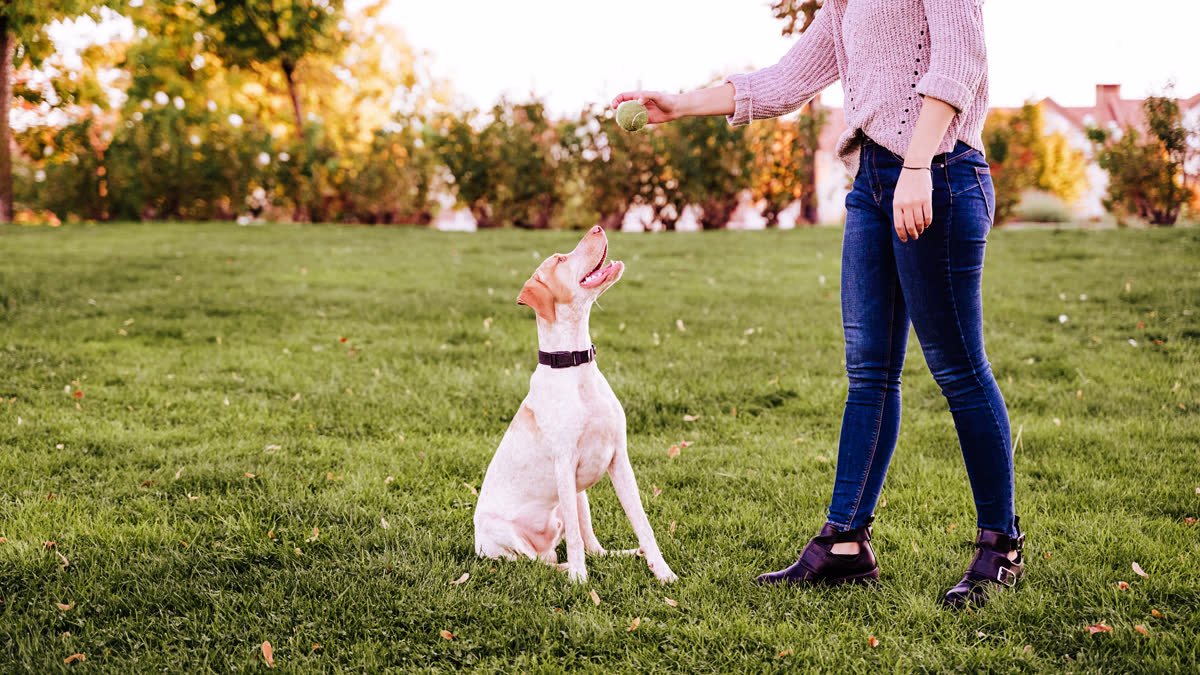
Behavioral training for dogs changes the emotion and habit behind a behavior, not just the surface action. You name the real trigger, manage the environment so the dog stops rehearsing the problem, teach a replacement behavior, and reinforce it daily until the better choice becomes automatic. Obedience commands sit on top of this work.
What does behavioral training for dogs actually mean?
Most owners come to me asking for obedience when they actually need behavior change. They want a dog who sits, but the real problem is a dog who loses his mind at the door. Start with the Dog Training Tips guide for the full picture, then come back here for the behavior side.
Obedience is a skill your dog performs on cue. Behavior is the emotional pattern that fires before you ever say a word. A strong sit will not help a dog who panics when the leash comes out, because the panic shows up first. Behavioral training works underneath the cues, on how the dog feels and reacts in a situation.
The dog you live with is not the dog in the article you read last night. There is no average dog. Two dogs can both bark at the window, and the cause can be boredom in one and genuine fear in the other. Same surface, different engine. That difference decides the whole plan, which is why copying a generic protocol so often stalls.
Behavior is a pattern with a trigger, an emotion, and a payoff. Change the pattern and the “bad behavior” fades. Suppress the action alone and it pops back up somewhere else.
Behavior versus obedience, side by side
Here is the split I draw for clients on day one. You usually need both, but you need to know which lever you are actually pulling.
| Aspect | Obedience training | Behavioral training |
|---|---|---|
| What it changes | A skill performed on cue | An emotional pattern and habit |
| Trigger | Your command | The environment (door, leash, visitor) |
| Example | Sit, down, heel, stay | Calm at the door, settled when alone |
| Timeline | Days to weeks | Weeks to months |
How do you run behavioral training step by step?
Every plan I build runs on the same four steps, in order. Skip one and the whole thing wobbles. The framework holds whether the problem is jumping, barking, leash reactivity, or guarding the couch.
Step 1: Name the real trigger
Watch the dog before the behavior, not during it. The thing that sets him off is rarely the thing you blamed. A dog who “hates the mailman” might react to any movement past the window, mail or not. Write down what happens in the ten seconds before the behavior, for a week, and the pattern shows itself.
Step 2: Manage so the pattern stops repeating
Every rehearsal of a behavior makes it stronger. A dog who practices barking at the window for an hour a day gets better at barking at the window. Block the rehearsal first: close the blinds, use a baby gate, change the walk route. Management is not the cure, but it buys you a clean slate to train on.
Step 3: Teach a replacement behavior
You cannot delete a behavior, you can only outcompete it. Pick something the dog physically cannot do while doing the problem. A dog on a mat is not jumping on guests. A dog watching your face is not lunging at the dog across the street. Teach that replacement in an easy room first, then add the trigger slowly.
Step 4: Reinforce it daily until it is automatic
Reward-based work wins here, and it is not just a preference. The American Veterinary Medical Association backs reward-based methods over punishment for changing behavior. Pay the dog for the choice you want, every time at first. Short daily reps beat one long weekend session, because behavior change is built on repetition, not marathons.
Trigger, manage, replace, reinforce. Run the steps in order and keep the reps short and daily. Consistency across the whole household matters more than any single clever drill.
The framework on one real problem: the door-bell lunatic
Abstract steps are easy to nod at and hard to run, so here is the whole thing on a dog who detonates when the doorbell rings. First, name the trigger. Most owners blame “the doorbell,” but watch closely and the real cue is often the sound of footsteps on the porch a beat earlier. That is the moment to work, not the chime.
Next, manage the rehearsal. Put a leash by the door and a mat ten feet back, and for a week you simply stop answering on cue: ring your own bell, then do nothing exciting. Then teach the replacement. You pay the dog for going to the mat the instant a knock lands, starting with the softest tap you can make. After that, reinforce it daily in tiny doses, two minutes a few times a day, and only raise the volume when the dog is winning. Two weeks of that beats one frantic Saturday every time.
Your dog’s pattern is not the one in this article
This framework gets you started. mypooch reads your dog’s energy and history, names the likely trigger, then builds a behavior-change drill for your exact dog (breed, age, energy, history) and adjusts it daily as you log progress.
What goes wrong, and when should you call a pro?
The framework is simple. The mistakes are predictable. Most failed behavior plans die on the same handful of errors, and most are fixable once you spot them.
Inconsistency kills more progress than anything else. When one person in the house lets the dog jump and another corrects it, the dog learns to gamble. Skipping days resets the clock too, because a half-built habit fades fast. Pick rules everyone follows and reps you can hit every day, even on the bad days.
Moving too fast is the other big one. People add the full trigger before the replacement behavior is solid, the dog fails, and everyone gets frustrated. Drop the difficulty until the dog wins again, then climb slower. A dog who is over threshold cannot learn, so keep him under it. If stubbornness feels like the wall you keep hitting, my guide on how to train a stubborn dog breaks down why a dog ignores you and what to do about it.
When to stop and call a professional
Some behavior is not a home project. Anything involving aggression, biting, severe fear, or a sudden personality change needs hands-on help, and fast. A sudden behavior shift can signal pain or illness, so a vet visit comes first to rule that out. The ASPCA keeps a solid plain-English library of common behavior issues if you want to read more before you decide.
For serious cases, find a credentialed pro: a CCPDT-certified trainer or a veterinary behaviorist. Aggression is a safety issue, not a willpower issue, and the wrong protocol can get someone bitten. There is no shame in calling for backup. The good trainers do it themselves. If aggression is your actual concern, read my dedicated piece on dog training for aggression before you start anything at home.
Common questions
What is the difference between obedience training and behavioral training for dogs?
Obedience training teaches your dog to perform a cue on request, like sit, down, or heel. Behavioral training changes how your dog feels and reacts in a situation, so the better choice happens without a cue. Obedience is a skill. Behavior is an emotional pattern. You often need both, but a dog who panics at the door will not be fixed by a stronger sit.
How long does behavioral training for dogs take to work?
Simple habits like jumping or counter surfing can shift in one to three weeks of consistent daily reps. Fear, reactivity, and anxiety run on a longer clock, usually two to four months of slow work, and sometimes longer. The honest answer is that it depends on how ingrained the pattern is and how consistent the whole household stays. Skipping days resets your progress.
Can you fix dog behavior problems at home or do you need a trainer?
Most everyday problems like pulling, jumping, barking, and mild over-arousal respond well to a clear plan you run at home. Bring in a credentialed professional for anything involving aggression, biting, severe fear, or a sudden change in behavior. Those cases carry safety risk and often need a behavior plan built in person. When in doubt, get eyes on it.
Does punishment work for behavioral training?
Punishment can stop a behavior in the moment, but it rarely changes the emotion driving it, and it can make fear or aggression worse. The AVMA and most veterinary behaviorists recommend reward-based methods that teach the dog what to do instead. You get faster, more durable results by reinforcing the behavior you want than by suppressing the one you do not.
Get a behavior plan that adjusts to your dog daily
Reading a framework is one thing. Running it on the dog in your living room is another. mypooch turns this into a behavior-change plan for your exact dog, logs each session on a vet-shareable timeline, and tweaks the next drill based on how today went.