
The Best Toys for Indoor Dogs
A wall of toys does nothing. The right two or three, used the right way, can drain a bored dog faster than a lap around the yard.
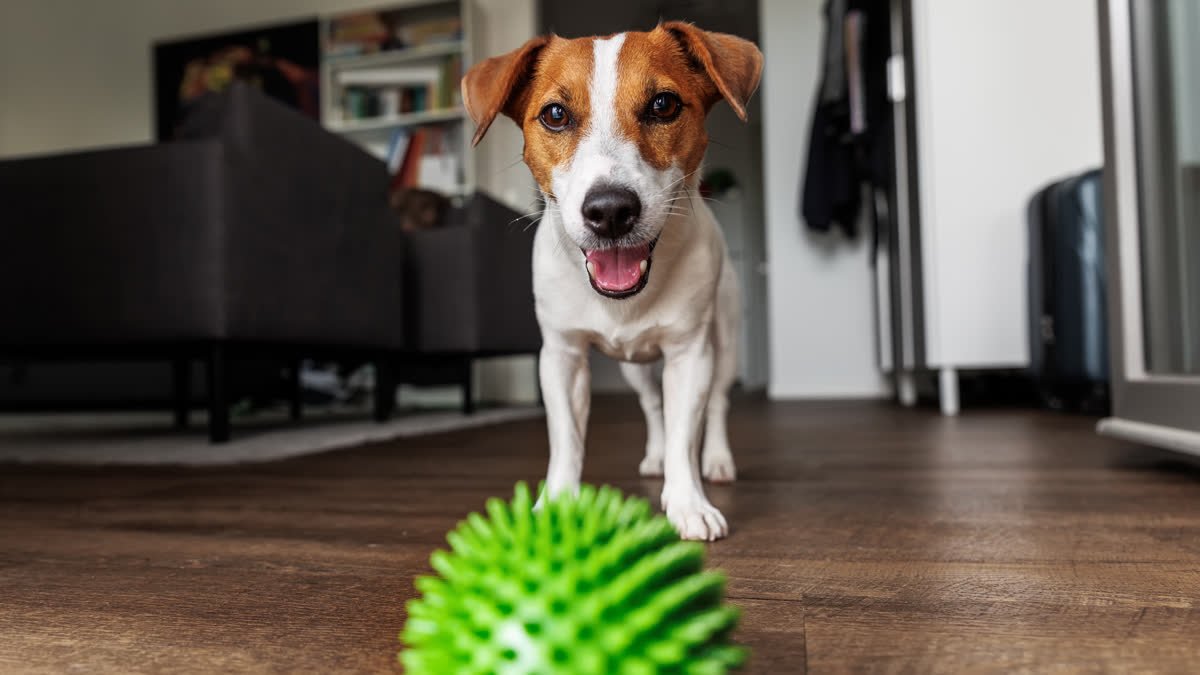
The best toys for indoor dogs make your dog work a brain or a body. Puzzle feeders, snuffle mats and lick mats drain mental energy. A flirt pole, a tug rope and a hallway fetch toy burn physical energy. Pick by what your dog is actually short on that day, match toughness to their chew style, and rotate so nothing goes stale.
What makes an indoor toy actually work?
Most owners buy toys to entertain the dog. That is the wrong target. A toy earns its place when it makes the dog do a job, not when it looks fun on a shelf. For the bigger picture on draining energy without a yard, start with the Dog Exercise Guide for the full picture.
A dog living indoors is usually short on two things. First is physical output, the chase-and-grab work that burns the body. Second is mental load, the sniffing and problem-solving that burns the brain. A good toy hits one of those hard, while a great rotation hits both across the day.
The toughness question matters just as much. A power chewer will shred soft plush in minutes, and the shredded pieces become a choking or blockage risk. For that reason, match the build of the toy to how your dog uses its mouth, then watch the first few sessions before you trust it.
Buy a toy for the job it does, not the fun it looks like. Pick one that drains the brain and one that drains the body, then match both to your dog’s chew strength.
Which indoor toys are worth it?
I rank toys by what they drain and how long the dog stays engaged. Below are the categories I actually reach for with clients, plus what each one is good and bad at. None of this needs a yard, and most of it fits a small apartment.
Brain-burners: puzzle feeders, snuffle mats, lick mats
These make the dog work for food. A puzzle feeder hides kibble behind sliders and flaps the dog has to move. Treat-dispensing balls do the same job on the move: the dog nudges and rolls the ball, and food drops out a few pieces at a time. A snuffle mat buries food in fabric strips so the dog noses it out, which taps the same sniffing drive a walk provides. In fact, the American Veterinary Medical Association lists food puzzles and enrichment as a standard way to cut boredom-driven behavior, and you can read their guidance on the AVMA pet owner resources.
Lick mats are the quiet hero here. Smear something soft across the ridges, freeze it, and the dog gets ten minutes of calm, settling work. That settling effect is why I hand them out for crate time and thunderstorms.
You do not need to buy any of this. A muffin tin with a tennis ball over each treat well makes a free puzzle. A towel rolled up with kibble tucked in the folds works as a snuffle substitute, and a frozen Kong stuffed with wet food does the lick-mat job for downtime.
Body-burners: flirt poles, tug ropes, fetch toys
A flirt pole is a stick with a rope and a lure on the end. While the dog chases the lure, you sweep it along the floor and build in sits and releases between sprints. It taps the predator chase pattern hard, so a few minutes can leave a high-drive dog genuinely tired. A solid tug rope does similar work with less space, and it teaches an out cue when you train the release.
For pure cardio in a small space, roll a fetch toy down a hallway or up a staircase. Stairs add resistance, so each retrieve costs more energy. As a result, a dog that ignores flat fetch will often gas out fast on the stairs. If your dog still has gas in the tank after toy work, the deeper drills in how to tire out a high-energy dog stack on top of this nicely.
| Toy type | What it drains | Best for |
|---|---|---|
| Puzzle feeder | Brain, fast eating | Bored dogs, gulpers, rainy days |
| Treat-dispensing ball | Brain, light movement | Solo play, slowing a fast eater |
| Snuffle mat | Brain, sniffing drive | Replacing a missed walk |
| Lick mat | Brain, calming | Crate time, vet-stress, storms |
| Flirt pole | Body, chase drive | High-energy and working breeds |
| Tug rope | Body, impulse control | Tight spaces, building an out cue |
| Hardy chew | Jaw, self-settling | Power chewers, downtime |
Chews sit in their own lane. A firm rubber or nylon chew gives a dog a legal outlet for the jaw, which beats finding your shoes. The ASPCA covers safe enrichment and chew safety in its dog care library, and the rule of thumb is simple: if a chunk can break off and be swallowed, take it away.
Not sure which toy your dog actually needs today?
Do a 30-second check-in and mypooch reads your dog’s energy and mood, then tells you whether today is a brain day or a body day. You get one clear call on which toy to reach for, so you stop guessing at the toy box.
How do I use indoor toys so they keep working?
A toy that lives on the floor all day stops mattering. Dogs habituate fast, so the trick is scarcity and rotation. Instead, keep three or four toys in play and stash the rest, then swap the set every few days. An old toy that vanishes for a week comes back feeling brand new.
Raise difficulty on purpose. Start a puzzle feeder on its easy setting so your dog wins early and learns the game is worth the effort. Once they solve it in under a minute, bump the difficulty or add a layer. The win-then-stretch pattern keeps the brain engaged instead of frustrated.
Tie toy time to the moments your dog struggles. For example, hand over a lick mat right before you leave for work, or run two minutes of flirt pole before guests arrive so the edge is already off. Toys used as scheduled outlets beat toys used as random distractions every time.
Safety rules I will not skip
Supervise any new toy and any hard chewer. Sizing matters: a toy small enough to fit fully in the mouth is a choking risk, so size up if you are unsure. Toss anything that starts shedding swallowable pieces, and never leave a dog alone with a rope toy they can unravel and eat.
Watch for the gut-blockage signs too. If your dog swallows part of a toy, then strains, vomits, goes off food or seems painful in the belly, call your vet right away. When you want to dig into why a dog destroys things in the first place, the read on dog behavior covers the drives underneath it. Still, none of this replaces a hands-on exam, so route anything that worries you to a professional.
Turn a box of random toys into a real indoor routine
Ready for more than today’s pick? mypooch builds a full indoor drill and exercise plan around breed, age, energy and history, then adjusts it every day off your check-ins. Instead of one-off sessions, you get a routine that fits the exact dog you own and grows with them.
Common questions
What are the best toys for indoor dogs?
The best indoor toys make your dog work a brain or a body. Puzzle feeders, snuffle mats, treat-dispensing balls and lick mats drain mental energy. A flirt pole, a tug rope and a fetch toy you can roll down a hallway burn physical energy. Match the toy to whatever your dog is actually missing that day, then rotate so nothing goes stale.
Can toys replace a walk for an indoor dog?
Toys do not fully replace a walk, but they cover more ground than most owners think. A walk gives sniffing, novelty and movement. Puzzle feeders and snuffle work replace a chunk of the mental load, and flirt-pole or tug sessions replace a chunk of the physical load. On a bad-weather day, ten focused minutes of brain work plus a short burst of chase can leave a dog calmer than a boring loop around the block.
Are puzzle toys good for dogs?
Yes. Puzzle toys make a dog problem-solve for food, which tires the brain fast and slows down fast eaters. The AVMA and shelter behavior teams recommend food puzzles and other enrichment to reduce boredom-driven behavior. Start with an easy version so your dog wins early, then raise the difficulty as they figure it out.
How do I stop my indoor dog from destroying toys?
Match toy toughness to your dog’s chewing style and supervise hard chewers. Power chewers need firm rubber or nylon, not soft plush. Replace any toy once it starts shredding into swallowable pieces, since pieces can cause choking or a gut blockage. If your dog swallows part of a toy or strains to pass it, call your vet right away.