
Dog Training for Aggression: Where to Start Safely
Aggression scares owners into doing the exact things that make it worse. Here is the safe starting point, owner to owner.
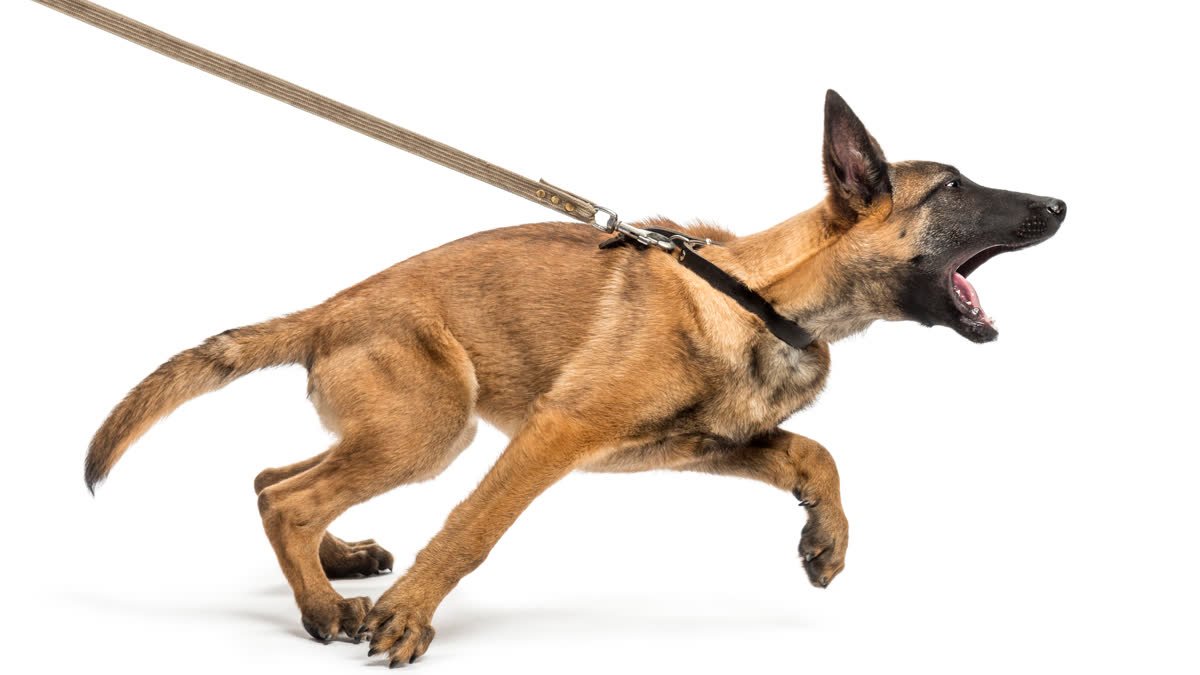
Dog training for aggression starts with safety and a vet check, not corrections. Most aggression is fear or pain wearing a scary mask. Manage the triggers so nobody gets hurt, rule out medical causes, then change how your dog feels about the trigger. If teeth have touched skin, call a credentialed pro before you train anything.
What is actually driving the aggression?
Aggression is not a personality. It is behavior, and behavior has a cause you can usually find. Start with the broader Dog Training Tips guide for the foundations every plan below assumes.
Most dogs labeled “aggressive” are actually scared. A dog who lunges and barks at the mailman is rarely a tough guy. He is a worried dog who learned that making a scene makes the scary thing leave. The behavior works, so it sticks.
Pain is the other big one people skip. A dog that suddenly snaps when touched may have arthritis, a bad tooth, or an ear infection. The American Veterinary Medical Association points to a vet exam as the first step for any new aggression, because medical causes hide behind behavior all the time. You can read their owner guidance at avma.org.
Aggression is almost always fear, pain, or rehearsal, not dominance. Find the driver before you pick a method, and book a vet exam before you change anything.
The triggers worth naming
Write down exactly what sets your dog off. Strangers at the door, hands near the food bowl, other dogs on leash, kids running, getting picked up. Specific triggers give you a plan. Vague labels like “he hates everyone” give you nothing.
Notice the body language that comes first too. A stiff freeze, a hard stare, a closed mouth, a low growl. These are warnings, and they show up before teeth do. The ASPCA has a clear breakdown of canine aggression types at aspca.org if you want to match what you see to a category.
How do you start training safely?
Safety comes before training. Always. A dog cannot learn anything new while he is over threshold and reacting, and a bite during a “training session” sets you back months. Manage first, train second.
Management means controlling the environment so the trigger never reaches full blast. Baby gates, a leash indoors, more distance on walks, a crate when guests arrive. For example, leash reactivity is the most common version of this, and crossing the street early often does more than any drill. A properly fitted, treat-conditioned muzzle is another honest management tool, not a punishment. None of that fixes the feeling underneath. It buys you a safe window to work in, which is the whole point.
The four moves that actually help
Once your dog is safe and the vet has cleared him, these are the levers that move the needle. They are slow and boring on purpose. Boring is what safe looks like.
- Distance. Find the range where your dog notices the trigger but does not react. Work there, not closer. That edge is your classroom.
- Counter-conditioning. Pair the trigger with great food so your dog starts to feel good when it appears instead of threatened.
- Let the growl talk. A growl is data, not defiance. Add space, do not punish it. A punished growl becomes a silent bite.
- End on a win. Quit while your dog is still relaxed. Pushing for one more rep is how good sessions turn into bad ones.
The behavior plan above overlaps heavily with general behavioral training for dogs, just run at lower intensity and shorter durations. Reactivity needs smaller steps than a normal training goal, because the stakes are higher when you push too fast.
| What owners try | What it teaches the dog | Do this instead |
|---|---|---|
| Yelling or leash pops at a growl | Hide the warning, bite without notice | Add distance, mark calm, reward it |
| Forcing a “say hi” with the trigger | I am trapped, so I escalate | Work under threshold at a safe range |
| Waiting for it to pass on its own | The reaction works, repeat it | Manage the trigger, then counter-condition |
Find your dog’s real threshold distance
Generic advice cannot tell you how far is far enough for your dog. mypooch reads your dog’s specific triggers, age, breed and history, then builds a counter-conditioning drill at the right distance and adjusts it daily as your dog improves.
When do you stop DIY and call a pro?
Some aggression is a home project. Some is not, and pretending otherwise gets people bitten. In practice, the fear is usually as much about you as the dog: the liability, the kids, the quiet dread of rehoming. Knowing the line is part of being a responsible owner, not a failure.
Call a credentialed professional the moment teeth touch skin, even a “warning nip” that did not break the surface. Call one if the aggression is escalating, unpredictable, or pointed at people in your home. Resource guarding around children belongs to a pro on day one, no exceptions.
Who counts as a pro
Not everyone with a website and a clicker. For aggression you want a CCPDT-certified trainer or, for the serious cases, a board-certified veterinary behaviorist who can combine behavior work with medical support. The American Kennel Club explains the credentials worth trusting at akc.org.
Bring notes when you go. Your trigger list, the body language you saw, what you have already tried, and the vet’s exam findings. A good pro reads all of that fast and builds a real plan. That handoff goes smoother when you have been tracking the pattern instead of guessing.
Bites, escalation, kids, and resource guarding are not DIY. Get a CCPDT trainer or veterinary behaviorist, and bring your trigger notes and vet findings.
Common questions
Can you train aggression out of a dog?
You rarely erase aggression, but you can manage it down to a safe, livable level for most dogs. The realistic goal is changing how your dog feels about the trigger, not punishing the growl out of him. Many dogs improve a lot with management plus a behavior plan. Some need lifelong structure. A credentialed pro tells you which one you have.
Should I punish my dog for growling?
No. A growl is a warning, and punishing it teaches the dog to skip the warning and go straight to a bite. That is the opposite of what you want. Let the growl happen, calmly add distance from whatever caused it, and treat the growl as useful information about what your dog cannot handle yet.
When should I call a professional for dog aggression?
Call a pro the moment teeth touch skin, or if the aggression is escalating, unpredictable, or aimed at family members. Bites, stiff frozen body language, and resource guarding around children all warrant a credentialed behavior professional. Look for a CCPDT-certified trainer or a board-certified veterinary behaviorist, and book a vet exam first to rule out pain.
Does neutering stop aggression in dogs?
Sometimes it helps with hormone-driven aggression between intact males, but it is not a cure for fear-based or learned aggression. Most aggression is rooted in fear, pain, or practice, not testosterone. Talk to your vet about whether it fits your specific dog, and do not expect surgery alone to fix a behavior problem.
Track the pattern your trainer will ask for
mypooch logs every trigger, reaction and calm win on a timeline you can hand straight to your vet or behaviorist. It builds a safety-first plan for your exact dog and flags when a behavior crosses the line into call-a-pro territory.